How I Finally Tamed My Hair Loss—Simple Daily Habits That Actually Work
Losing hair can be quietly devastating—thinner strands, more scalp showing, constant worry about mirrors. I’ve been there. After years of frustration, I realized it wasn’t one big fix but small, consistent actions that made the difference. This isn’t a miracle cure, just real, science-backed habits I’ve tested. If you’re tired of guessing what works, let’s break down how routine regularity can gently fight hair loss and bring back confidence—naturally.
The Moment I Noticed: Facing Hair Loss Head-On
It started subtly—a few extra strands on the bathroom floor, a ponytail that felt looser than before. At first, I brushed it off, blaming shedding on seasonal changes or a busy week. But over time, the signs became harder to ignore. The part in my hair widened. My scalp peeked through more easily in sunlight. I found clumps in the shower drain and on my brush, each discovery chipping away at my confidence. Looking in the mirror no longer felt routine—it felt like an evaluation, a daily check for damage.
Emotionally, it was draining. I didn’t feel like myself. I avoided updos, wore hats more often, and began styling my hair to hide thinning areas. What made it worse was the confusion. I didn’t understand why this was happening. I ate decently, wasn’t under extreme stress—at least not that I recognized—and had no family history of baldness. Denial set in. I told myself it was normal, that everyone loses some hair. And while that’s true, the volume and pattern of my loss went beyond everyday shedding.
The turning point came during a routine haircut. My stylist, someone I’d trusted for years, gently asked if I’d noticed the thinning near my crown. That moment pierced through my denial. It wasn’t just me seeing it—others could too. That conversation sparked a shift. Instead of ignoring it, I decided to learn. I began researching, consulting articles, and eventually speaking with a dermatologist. What I discovered wasn’t a single cause but a combination of factors—some within my control, others not. More importantly, I learned that early intervention matters. The sooner you address hair thinning, the better your chances of slowing or even reversing it. And the most effective tool wasn’t a costly serum or a drastic diet change—it was consistency in daily habits.
What Really Causes Hair Thinning? (And What Doesn’t)
Before making changes, it’s crucial to understand what truly influences hair loss. Many myths persist—wearing hats causes baldness, frequent shampooing strips hair, or only men are affected. None of these are supported by science. Hats do not block oxygen to the scalp in any meaningful way, and regular cleansing actually supports a healthy scalp environment. As for genetics, while they play a significant role, they don’t dictate an unchangeable outcome. Hair thinning is rarely due to one factor alone; it’s usually a mix of biology, lifestyle, and environment.
One of the most scientifically recognized causes is hormonal fluctuation. For women, shifts during pregnancy, postpartum, perimenopause, or menopause can trigger temporary or prolonged hair shedding. Dihydrotestosterone (DHT), a derivative of testosterone present in both men and women, can shrink hair follicles over time, leading to finer, shorter strands. This process, known as androgenetic alopecia, is common but not inevitable. While you can’t change your hormones overnight, you can support your body’s balance through nutrition, stress management, and proper scalp care.
Nutrient deficiencies are another major contributor. Iron, vitamin D, zinc, and B vitamins—especially biotin and B12—are essential for healthy hair growth. A lack of any one of these can disrupt the hair cycle, pushing more follicles into the resting (telogen) phase, where they eventually shed. Blood tests can identify these gaps, and correcting them often leads to noticeable improvement. Equally important is protein intake. Hair is primarily made of keratin, a type of protein, so insufficient dietary protein can directly affect growth and strength.
Chronic stress is often underestimated. When the body is under prolonged pressure, it releases cortisol, the stress hormone. Elevated cortisol levels can interfere with the normal hair growth cycle, leading to telogen effluvium—a condition where large numbers of hairs enter the shedding phase simultaneously. This type of loss is usually temporary but can be alarming when it occurs. Unlike genetic thinning, which progresses slowly, stress-related shedding can happen suddenly, often weeks or months after a triggering event like illness, surgery, or emotional hardship. The good news? Once the stressor is managed, hair often regrows on its own.
Think of your hair follicles like plants. They need consistent nourishment, the right environment, and protection from damage to thrive. Genetics may determine the type of plant you have—a rose or a daisy—but how well it grows depends on sunlight, water, and soil quality. Similarly, your daily habits shape the conditions in which your hair lives. You can’t change your genetic blueprint, but you can improve the care you give your scalp and body every day.
Why Routine Beats Quick Fixes Every Time
It’s tempting to search for a quick solution—a magic serum, a celebrity-endorsed supplement, or an expensive laser device. I’ve tried them all. Some provided temporary improvement, but none delivered lasting change. What I learned is that hair health isn’t built in a week. It’s the result of repeated, small actions that support the body’s natural processes over time. Just like fitness, where skipping workouts erodes progress, inconsistent hair care leads to stalled or reversed results.
Scientific studies support this. Research shows that regular scalp massage increases blood circulation to hair follicles, delivering oxygen and nutrients critical for growth. One small study published in *Eplasty* found that participants who performed daily scalp massage for 24 weeks experienced measurable increases in hair thickness. The mechanism is simple: mechanical stimulation promotes microcirculation, which in turn supports follicle health. But the benefit only lasts with consistency. A single massage won’t transform your hair—daily practice does.
Nutrition works the same way. Eating a protein-rich meal once in a while won’t rebuild keratin stores. It’s the daily intake of quality nutrients that fuels continuous growth. Similarly, managing stress isn’t about one meditation session—it’s about building resilience through repeated practices like breathing exercises, movement, or adequate sleep. These habits don’t produce overnight miracles, but they create the internal environment where hair can flourish.
Another reason routines succeed is that they reduce decision fatigue. When hair care is part of your daily rhythm—like brushing your teeth or drinking water—you’re more likely to stick with it. Quick fixes require motivation, which fades. Habits, however, become automatic. They don’t rely on willpower; they rely on repetition. This makes them sustainable, especially for busy women juggling work, family, and personal well-being.
Patience is essential. The hair growth cycle has three phases: anagen (growth), catagen (transition), and telogen (resting/shedding). A single strand can take two to six years to grow before it sheds. That means any new habit you adopt may take months to show visible results. But with time, the cumulative effect becomes clear. You may notice less shedding, improved texture, or new baby hairs along the hairline. These subtle signs are proof that your routine is working.
My Morning Ritual: Tiny Steps with Big Impact
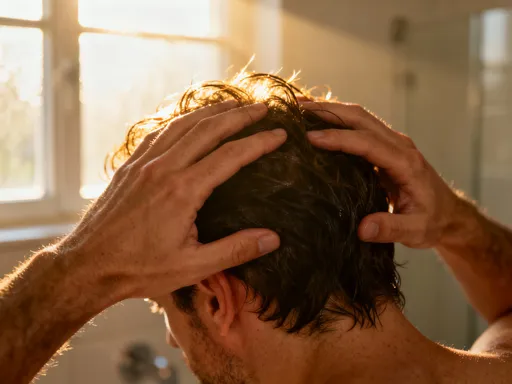
Mornings set the tone for the day—and for hair health, they offer a powerful window to activate growth. My routine takes less than ten minutes but makes a noticeable difference over time. It starts with a gentle scalp massage using my fingertips. I spend three to five minutes massaging in small circular motions, focusing on areas where thinning is most apparent. This wakes up the follicles, stimulates blood flow, and feels deeply relaxing. I do this before shampooing or on dry hair, depending on the day.
Hydration is next. I drink a full glass of water as soon as I wake up. Dehydration can make hair brittle and slow growth, so starting the day with water supports both scalp health and overall wellness. I also pay attention to my breakfast. I aim for a balance of protein, healthy fats, and complex carbohydrates. A typical meal might be scrambled eggs with spinach and avocado on whole-grain toast, or Greek yogurt with berries and a sprinkle of chia seeds. These foods provide iron, omega-3s, antioxidants, and protein—all vital for strong, resilient hair.
I avoid tight hairstyles like high ponytails or braids, especially first thing in the morning. Constant tension on the hairline can lead to traction alopecia, a type of preventable hair loss. Instead, I opt for loose styles or let my hair hang free when possible. If I use heat tools, I apply a heat protectant and keep the temperature moderate. Over time, excessive heat can damage the hair shaft, leading to breakage that mimics thinning.
This routine isn’t complicated, but it’s deliberate. Each step supports a different aspect of hair health—circulation, nutrition, and protection. By doing them daily, I create a foundation that allows my hair to grow stronger and fuller over time. The key is not perfection but persistence. Some days I skip the massage or grab a quick snack instead of a full breakfast, and that’s okay. The goal is progress, not flawlessness.
Nightly Habits That Do the Heavy Lifting
If mornings are about activation, nights are about restoration. While we sleep, the body repairs tissues, balances hormones, and regenerates cells—including hair follicles. This is why sleep quality is so closely linked to hair health. Poor or inconsistent sleep can elevate cortisol levels, disrupt melatonin production, and interfere with the hair growth cycle. That’s why winding down properly is not a luxury—it’s a necessity.
My evening routine begins about an hour before bed. I dim the lights and disconnect from screens to signal to my body that it’s time to relax. I also do a brief scalp routine—sometimes a light oil massage with coconut or jojoba oil, other times just a few minutes of gentle brushing with a natural bristle brush. This helps distribute natural oils from the scalp to the ends, nourishing the hair and stimulating circulation. I leave the oil in overnight once or twice a week, then wash it out in the morning.
One simple change that made a big difference? Switching to a silk pillowcase. Unlike cotton, silk creates less friction, reducing breakage and frizz. It also helps retain moisture in both skin and hair. I noticed fewer tangles in the morning and less hair on my pillow—small signs that my strands were being protected while I slept.
Sleep itself is the most powerful part of this routine. I aim for seven to eight hours per night. During deep sleep, growth hormone is released, and cells undergo repair. This is when the body works to rebuild weakened follicles and prepare them for the next growth phase. Without adequate rest, this process is disrupted, and hair may remain in the shedding phase longer than necessary. Creating a calm, consistent bedtime routine—whether it’s reading, light stretching, or herbal tea—helps signal to the brain that it’s safe to rest, lowering stress and supporting hormonal balance.
The Forgotten Factor: Stress and Its Silent Toll
Stress is often invisible until its effects surface—through headaches, fatigue, or, in my case, hair loss. I didn’t realize how much emotional strain I was under until I started connecting the dots. Periods of high stress—work deadlines, family responsibilities, sleepless nights—were consistently followed by increased shedding a few months later. At first, I didn’t link the two. But over time, the pattern became undeniable.
Chronic stress affects hair through multiple pathways. Elevated cortisol suppresses non-essential functions, including hair growth, to redirect energy toward survival mechanisms. It also increases inflammation, which can damage follicles over time. Additionally, stress can lead to poor eating habits, disrupted sleep, and reduced self-care—all of which further compromise hair health. The impact isn’t immediate, which makes it easy to overlook. Hair loss typically appears three to six months after a stressful event, creating a delay that masks the true cause.
Addressing stress doesn’t require drastic changes. Small, consistent practices can make a real difference. I started with diaphragmatic breathing—five minutes of slow, deep breaths each day. It sounds simple, but it activates the parasympathetic nervous system, helping the body shift from ‘fight or flight’ to ‘rest and digest.’ I also incorporated short walks into my day, especially after meals. Movement helps metabolize excess cortisol and improves circulation, benefiting both mental clarity and scalp health.
Mindfulness has also been helpful. I don’t meditate for hours—just five to ten minutes using a guided app or sitting quietly with my eyes closed. This practice helps me become more aware of my thoughts and reactions, reducing the intensity of stress responses over time. I’ve also learned to set boundaries, saying no when my plate is full and prioritizing rest without guilt. These changes didn’t stop shedding overnight, but they created a calmer internal environment where my hair could recover.
When to Seek Help: Knowing the Limits of Self-Care
While daily habits are powerful, they are not a substitute for medical evaluation. There are times when hair loss signals an underlying condition—such as thyroid disorders, autoimmune diseases like alopecia areata, or significant hormonal imbalances. If you experience sudden, patchy, or rapid hair loss, it’s important to consult a dermatologist or healthcare provider. Blood tests can identify deficiencies or imbalances that require targeted treatment.
Professional guidance can also help interpret what’s normal versus what needs intervention. Some shedding is part of the natural cycle—losing 50 to 100 hairs a day is typical. But if you’re losing more, noticing bald patches, or your scalp becomes painful or inflamed, it’s time to seek help. A dermatologist can perform a scalp examination, review your medical history, and recommend appropriate treatments, which may include topical minoxidil, prescription medications, or specialized therapies.
The good news is that self-care and medical treatment are not mutually exclusive. In fact, they work best together. While a doctor may prescribe a solution, your daily habits enhance its effectiveness. For example, using minoxidil is more successful when paired with a healthy diet and low stress. Likewise, correcting a vitamin deficiency works faster when you’re already supporting your body with good sleep and hydration.
Hair loss can feel personal, even isolating. But you’re not alone, and you’re not powerless. Small, steady actions build resilience—one strand at a time. It’s not about perfection, but persistence. It’s not about reversing years overnight, but about creating conditions where healing can happen. With awareness, consistency, and the right support, you can reclaim not just your hair, but your confidence too.