Salt, Seriously: How I Mastered My Low-Salt Life Without Losing Flavor
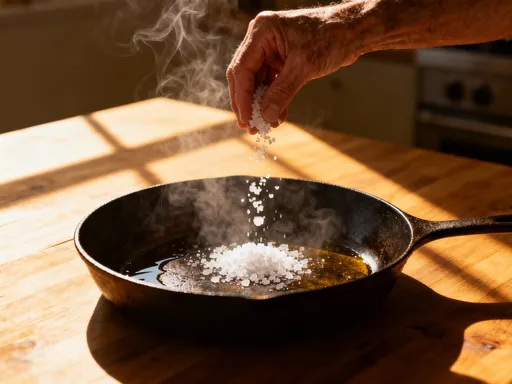
Living with high blood pressure scared me—until I realized the real culprit: salt. What I thought was just flavor was silently straining my heart and kidneys. Cutting back felt impossible at first, but learning the dietary principles behind a low-salt lifestyle changed everything. It’s not about deprivation—it’s about smarter choices, better habits, and long-term health. This is how I took control, one meal at a time.
The Wake-Up Call: Recognizing the Hidden Dangers of Salt
For years, meals tasted incomplete without a generous sprinkle of salt. It enhanced the flavor of breakfast eggs, brought out the richness in soups, and made snacks satisfyingly addictive. But what felt like a harmless habit turned out to be a growing threat. The wake-up call came during a routine check-up when the doctor mentioned elevated blood pressure—again. At 48, with no history of heart issues, it was unsettling. When asked about diet, the conversation inevitably turned to sodium. The truth was startling: the average adult consumes over 3,400 milligrams of sodium daily, far exceeding the American Heart Association’s recommended limit of 2,300 milligrams—ideally moving toward 1,500 for those with hypertension.
High sodium intake doesn’t always announce itself with dramatic symptoms. For many, the warning signs are subtle: persistent bloating, unexplained fatigue, frequent headaches, or swelling in the hands and feet. These weren’t red flags I had connected to diet before. Yet, as I began to track my meals, patterns emerged. A single serving of canned soup contained nearly half the daily recommended sodium. A store-bought rotisserie chicken—convenient and family-friendly—delivered over 1,000 milligrams in one portion. Breakfast cereals, salad dressings, even bread, all contributed to a silent overload. The realization was humbling: salt wasn’t just on the table; it was embedded in nearly everything I ate.
More concerning was the long-term impact. Chronic high sodium intake is strongly linked to hypertension, a condition affecting nearly half of adults in the United States. Over time, elevated blood pressure damages blood vessels, increases the risk of heart attack and stroke, and places strain on the kidneys. The kidneys, responsible for filtering excess sodium and fluid, can become overworked, reducing their efficiency. For women over 40, especially those managing stress, hormonal shifts, or family health histories, this silent strain becomes a critical concern. The turning point wasn’t fear, but awareness—understanding that small, consistent choices could significantly alter my health trajectory.
Debunking Myths: What “Low-Salt” Really Means
When first advised to reduce salt, the image that came to mind was plain rice, boiled vegetables, and flavorless meals eaten with resignation. This common misconception—that a low-salt diet equals blandness—stops many from even trying. But the truth is quite different. A low-salt lifestyle is not about elimination; it’s about redefining flavor and making informed choices. It means shifting from processed convenience to whole ingredients, from hidden sodium to intentional seasoning. The goal isn’t to strip joy from eating but to preserve long-term vitality without sacrificing taste.
Another myth is that sodium reduction is only for older adults or those already diagnosed with heart conditions. In reality, the damage from excess salt accumulates over time. Starting early—even in midlife—can prevent future complications. The Dietary Guidelines for Americans recommend limits for all adults, regardless of current health status. Children and teens are also consuming too much sodium, largely from packaged and restaurant foods, setting the stage for early cardiovascular risks. This isn’t a temporary diet; it’s a sustainable shift in how we approach food.
Understanding the difference between natural sodium and added salt is crucial. Foods like milk, celery, and shellfish contain small amounts of naturally occurring sodium, which the body can manage efficiently. The real issue lies in processed and prepared foods, where salt is added for preservation, texture, and flavor enhancement. These sources contribute over 70% of the sodium in the average American diet. Recognizing this shift—from focusing on the salt shaker to scrutinizing ingredient lists—marks the beginning of real change. A low-salt life isn’t about restriction; it’s about awareness, balance, and reclaiming control over what goes into your body.
The Science Behind Sodium and the Body
To truly appreciate why reducing salt matters, it helps to understand how sodium functions within the body. Sodium is an essential electrolyte that helps regulate fluid balance, nerve transmission, and muscle function. In the right amounts, it supports vital processes. But when consumed in excess, it disrupts the body’s delicate equilibrium. The kidneys are designed to filter excess sodium and excrete it through urine. However, when intake consistently exceeds capacity, sodium builds up in the bloodstream.
This accumulation draws water into the blood vessels, increasing blood volume. With more fluid circulating, the heart must work harder to pump blood through the arteries. Over time, this increased pressure damages arterial walls, leading to stiffness and reduced elasticity. The heart, like any muscle, can weaken under constant strain. Imagine lifting a heavy weight repeatedly without rest—the muscle fatigues. Similarly, the heart muscle thickens and loses efficiency when forced to pump against elevated pressure, raising the risk of heart failure.
High blood pressure, often called the “silent killer,” typically has no noticeable symptoms until serious damage occurs. Yet, it is a leading contributor to heart disease and stroke—the top causes of death for women in the United States. The Centers for Disease Control and Prevention (CDC) reports that about 47% of adults have hypertension, and many are unaware. For women navigating busy households, caregiving responsibilities, and personal health goals, this statistic is both alarming and empowering. Alarming because the risk is real; empowering because a significant portion of hypertension is preventable through dietary changes.
Reducing sodium intake has been shown to lower blood pressure within weeks. Clinical studies, including those from the DASH (Dietary Approaches to Stop Hypertension) trials, demonstrate that a diet low in sodium and rich in fruits, vegetables, whole grains, and lean proteins can reduce systolic blood pressure by 8 to 14 points—comparable to some medications. The body is remarkably adaptable. When sodium intake decreases, the kidneys adjust, fluid balance normalizes, and blood pressure begins to ease. This isn’t a quick fix; it’s a physiological reset that supports long-term cardiovascular health.
Practical Swaps: Building a Low-Salt Pantry
Change begins where meals are made—the kitchen. Transforming the pantry into a low-sodium space is one of the most effective steps toward lasting change. The first rule: prioritize whole, unprocessed foods. Fresh fruits and vegetables, legumes, whole grains, and fresh meats naturally contain minimal sodium. By centering meals around these ingredients, the foundation for a heart-healthy diet is laid. But for many, convenience foods are part of daily life. The key is choosing smarter packaged options and learning to read labels with a critical eye.
Start by removing or replacing high-sodium staples. Canned soups, for example, are notorious for their salt content. A single can may contain 800 to 1,200 milligrams of sodium. Switching to low-sodium or no-salt-added versions cuts this dramatically. Better yet, prepare homemade soups in batches and freeze portions for quick meals. Canned beans are another common pantry item. Rinsing them thoroughly can reduce sodium by up to 40%. Opting for dried beans, soaked and cooked in advance, eliminates added salt entirely.
Condiments and seasoning blends are hidden sodium traps. Bottled salad dressings, ketchup, soy sauce, and garlic salt often contain surprising amounts of salt. Replacing these with homemade alternatives brings flavor under control. A simple vinaigrette made with olive oil, lemon juice, Dijon mustard, and fresh herbs delivers brightness without excess sodium. For umami depth, try a splash of balsamic vinegar or a dash of nutritional yeast. Garlic, onion, black pepper, cumin, paprika, and turmeric add complexity and health benefits without relying on salt.
Snacks are another area for improvement. Potato chips, crackers, and flavored nuts can pack hundreds of milligrams of sodium per serving. Switching to unsalted nuts, fresh fruit, plain popcorn (air-popped, seasoned with herbs), or raw vegetables with hummus offers satisfying alternatives. Reading labels becomes second nature—checking not just the sodium content but the ingredient list for terms like monosodium glutamate (MSG), sodium benzoate, and disodium phosphate, all of which contribute to total sodium intake. Over time, taste buds adapt, and foods once considered perfectly seasoned now taste overly salty.
Reading Between the Lines: Decoding Food Labels
Navigating the grocery store with a low-sodium goal requires more than good intentions—it demands literacy in food labeling. Nutrition Facts panels are powerful tools, but they can be misleading without proper understanding. The % Daily Value (%DV) for sodium is based on a 2,300-milligram benchmark. A %DV of 5% or less is considered low; 20% or more is high. A single serving with 20% DV or more should raise caution, especially if multiple servings are consumed.
Marketing claims like “low sodium,” “reduced sodium,” or “heart-healthy” require scrutiny. “Reduced sodium” means the product contains 25% less sodium than the original version—but the original may have been extremely high. A “low sodium” product must contain 140 milligrams or less per serving, while “very low sodium” means 35 milligrams or less. These definitions help, but the actual number matters more than the label.
Consider two brands of frozen meals. One claims “25% less sodium!” but still contains 800 milligrams per serving. The other, without flashy claims, has only 500 milligrams. The second is clearly the better choice. Similarly, “natural” or “organic” does not mean low in sodium. Organic canned tomatoes may still be packed in salted water. Always check the label.
Another challenge is serving size. A box of rice mix may list 300 milligrams of sodium per serving, but the entire package contains three servings. If eaten in one sitting, that’s 900 milligrams—nearly half the daily limit. Learning to calculate total intake based on actual consumption is essential. Over time, label reading becomes intuitive. Shoppers learn to compare products, prioritize whole ingredients, and avoid items with sodium listed among the first few ingredients. This knowledge transforms grocery shopping from a minefield into a strategic act of self-care.
Eating Out Without Sabotaging Progress
Dining out presents one of the greatest challenges for those managing sodium intake. Restaurant meals are often loaded with salt to enhance flavor and extend shelf life. A single entrée can contain an entire day’s worth of sodium. The social nature of eating out adds pressure—no one wants to be difficult or draw attention. Yet, making health-conscious choices doesn’t have to be awkward or isolating. With simple strategies, it’s possible to enjoy meals out while staying on track.
The first step is planning. Many restaurants post nutrition information online. Reviewing menus in advance allows for informed decisions. Look for keywords like “grilled,” “steamed,” “baked,” or “fresh,” which often indicate lower-sodium preparation. Avoid dishes described as “crispy,” “crusted,” “marinated,” or “glazed,” as these typically involve salt-heavy seasonings or sauces.
When ordering, don’t hesitate to ask questions. Request that food be prepared without added salt. Ask for dressings, sauces, and condiments on the side—this allows control over how much is used. Skip the soy sauce, ketchup, and table salt. Choose steamed vegetables instead of sautéed, and opt for plain rice or baked potatoes over flavored sides. For protein, grilled fish, skinless poultry, or legume-based dishes are excellent choices.
Social settings may involve pressure to conform, but framing requests as self-care rather than restriction changes the narrative. Phrases like “I’m focusing on heart-healthy eating” or “I’m trying to reduce my sodium for my health” are simple and effective. Most restaurants are accommodating, especially as awareness of dietary needs grows. Over time, confidence builds. Eating out becomes an opportunity to practice mindfulness, not a test of willpower. The goal isn’t perfection but consistency—making the best choice possible in each moment.
Long-Term Success: Making It Sustainable, Not Strict
The most common reason diets fail is that they feel too restrictive. A low-salt lifestyle, when approached as a temporary fix, is unlikely to last. But when viewed as a permanent shift in habits, it becomes sustainable. The key is mindset. Instead of focusing on what’s being lost, focus on what’s being gained: energy, better sleep, reduced bloating, and peace of mind. Celebrate small victories—choosing a low-sodium snack, cooking a meal from scratch, or receiving positive feedback at a doctor’s visit.
Habit stacking—linking new behaviors to existing routines—supports consistency. For example, pairing grocery shopping with label reading, or meal prepping on Sundays to ensure healthy options during busy weeks. Involving family members fosters support and makes the transition easier. Children learn by example, and partners often appreciate the improved flavors of herb-seasoned meals. Over time, the palate adjusts. Foods once loved may now taste too salty, a sign that the body is relearning what balance feels like.
Slip-ups are inevitable. A high-sodium meal at a celebration or a misread label doesn’t undo progress. What matters is the overall pattern. The goal isn’t perfection but progress. Each mindful choice strengthens commitment. This isn’t a diet; it’s a life-long commitment to well-being. It’s about honoring the body’s needs and making choices that support a vibrant, active life. For women balancing family, career, and personal health, this journey is not just worthwhile—it’s essential.