Why I Swear by This Anti-Aging Exercise Routine — And You Might Too
Aging is inevitable, but how we age is within our control. As a health professional who’s tested countless routines, I’ve seen one truth: movement is medicine. The right exercise plan doesn’t just keep you looking younger—it helps your body function like it did a decade ago. This isn’t about extreme workouts or quick fixes. It’s about smart, sustainable practices that target the biology of aging. Let me show you what actually works.
The Reality of Aging: More Than Just Wrinkles
Aging is often associated with visible changes—graying hair, fine lines, and slower movements—but the real story unfolds beneath the surface. Biologically, aging involves a gradual decline in cellular function. Over time, cells lose their ability to divide and repair efficiently. One key marker of this process is the shortening of telomeres, the protective caps at the ends of chromosomes. Shorter telomeres are linked to a higher risk of age-related conditions, including heart disease and weakened immunity. Meanwhile, mitochondrial function, which powers energy production in cells, also declines, leading to fatigue and reduced stamina.
Another major change is the loss of muscle mass, known as sarcopenia, which typically begins in the 30s and accelerates after 50. On average, adults lose 3% to 5% of their muscle strength each decade, making everyday tasks like carrying groceries or climbing stairs more difficult. Metabolism slows in parallel, increasing the likelihood of weight gain, particularly around the abdomen. These shifts are not merely cosmetic; they affect mobility, energy levels, and organ health, ultimately influencing quality of life.
Despite these changes, aging is not a one-way decline. Research shows that lifestyle choices significantly influence how quickly—or slowly—these biological processes unfold. Physical activity, in particular, has been shown to slow cellular aging. Studies have found that people who engage in regular exercise tend to have longer telomeres than their sedentary peers. Exercise also supports mitochondrial health by stimulating the creation of new mitochondria and improving their efficiency. These effects suggest that movement does more than improve fitness—it can actually influence the rate at which our bodies age at a cellular level.
Yet, misconceptions persist. Many believe aging is something to be hidden with creams or cosmetic procedures, overlooking the internal systems that truly determine how well we age. Others assume that slowing down is natural and necessary, not realizing that inactivity accelerates decline. The truth is, functional aging is not predetermined. While genetics play a role, daily habits—especially physical activity—have a profound impact. By understanding aging as a biological process influenced by behavior, we shift from passive acceptance to active participation in our long-term health.
Why Exercise Is Your Most Powerful Anti-Aging Tool
When it comes to longevity and vitality, few interventions match the proven benefits of regular physical activity. Unlike supplements or skincare products, which often promise results with limited evidence, exercise is backed by decades of scientific research. It’s not just about living longer—it’s about living better. The concept of “healthspan,” or the number of years spent in good health, is increasingly recognized as more important than lifespan alone. Exercise directly extends healthspan by preserving physical function, mental clarity, and independence well into later years.
Compared to other popular anti-aging strategies, movement stands out for its comprehensive effects. While antioxidant supplements may target oxidative stress, and skincare routines address surface-level changes, exercise works systemically. It improves cardiovascular health, strengthens bones, enhances insulin sensitivity, reduces chronic inflammation, and supports brain function. For example, aerobic activity increases blood flow to the brain, which helps maintain cognitive abilities and lowers the risk of neurodegenerative diseases like Alzheimer’s. Resistance training, meanwhile, preserves lean muscle and boosts metabolic rate, making it easier to maintain a healthy weight.
One of the most powerful ways exercise combats aging is by regulating inflammation. Chronic low-grade inflammation, often called “inflammaging,” is a hallmark of aging and contributes to conditions like arthritis, diabetes, and heart disease. Regular physical activity helps modulate the immune system, reducing the production of pro-inflammatory molecules. A study published in the journal *Aging Cell* found that adults who exercised consistently had lower levels of inflammatory markers than those who were inactive. This anti-inflammatory effect is one reason active individuals often report fewer aches, better sleep, and more energy.
Think of your body as a high-performance engine—without regular tuning, it starts to sputter. Exercise acts as that tune-up, keeping all systems running smoothly. It enhances the body’s ability to repair DNA, manage stress hormones, and deliver oxygen and nutrients to tissues. Unlike isolated treatments that target single symptoms, physical activity supports the entire organism. It’s accessible, cost-effective, and free of side effects when done safely. For women in their 30s, 40s, and beyond, integrating movement into daily life isn’t just a health strategy—it’s a long-term investment in how you’ll feel and function for decades to come.
The Three Pillars of an Effective Anti-Aging Workout Plan
An effective anti-aging exercise routine isn’t about doing one type of workout intensely—it’s about balance. The most sustainable and beneficial plans are built on three core components: strength training, cardiovascular fitness, and mobility work. Each addresses a different aspect of aging, and together, they create a comprehensive defense against physical decline. Think of them as pillars supporting a strong, resilient body. When all three are present, the benefits multiply, helping you stay active, independent, and energized.
Strength training is essential for maintaining muscle mass and bone density. After age 40, muscle loss accelerates, and bones begin to weaken, increasing the risk of fractures and falls. Resistance exercises—whether using body weight, bands, or weights—stimulate muscle growth and improve bone strength. This isn’t about building bulk; it’s about preserving the functional strength needed for daily life. Lifting a suitcase, gardening, or playing with grandchildren all require muscular endurance and power. By incorporating strength work two to three times a week, you build what could be called a “youth reserve”—a physical foundation that buffers against age-related decline.
Cardiovascular fitness keeps the heart, lungs, and circulatory system strong. As we age, arteries can stiffen, blood pressure may rise, and oxygen delivery to tissues becomes less efficient. Regular cardio exercise counteracts these changes by improving circulation, lowering resting heart rate, and enhancing lung capacity. It also supports metabolic health by improving insulin sensitivity, which helps regulate blood sugar and reduces the risk of type 2 diabetes. Whether it’s brisk walking, cycling, or swimming, aerobic activity ensures that your body’s engine continues to run efficiently.
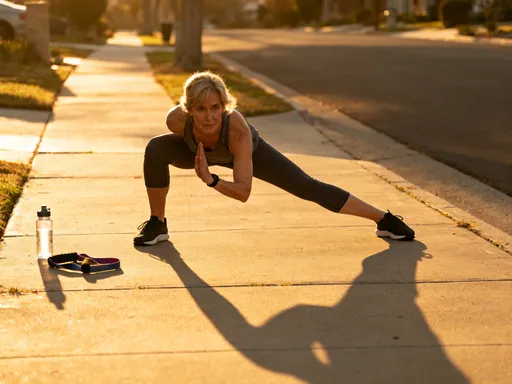
Mobility work is often overlooked but equally vital. Flexibility, joint range of motion, and balance are key to maintaining independence. Without attention, stiffness increases, posture deteriorates, and the risk of falls rises. Practices like stretching, yoga, or tai chi improve coordination, reduce muscle tension, and enhance body awareness. These activities also support the nervous system, strengthening the connection between brain and body. Over time, this translates to greater confidence in movement—whether you’re reaching for a high shelf or stepping off a curb. Together, these three pillars form a complete approach to healthy aging, addressing strength, endurance, and agility in a way that is both practical and scientifically sound.
Strength Training: Building Your Youth Reserve
Strength training is one of the most effective tools for slowing age-related muscle and bone loss. After the age of 40, adults can lose up to 8% of muscle mass per decade, and this rate doubles after 60. This decline isn’t just about appearance; it directly impacts function. Reduced muscle mass lowers metabolism, making weight management more difficult, and weakens the support around joints, increasing the risk of injury. Strength training combats this by stimulating muscle protein synthesis, the process by which muscles grow and repair. Even modest resistance exercise can reverse some of this loss, helping women maintain strength and independence well into later life.
Bone health is another critical benefit. Osteoporosis, a condition marked by brittle bones, affects millions of women, particularly after menopause. Weight-bearing and resistance exercises apply gentle stress to bones, signaling them to become denser and stronger. This is especially important for the spine, hips, and wrists—areas most vulnerable to fractures. Studies show that women who engage in regular strength training have higher bone mineral density than those who do not. The good news is, you don’t need heavy weights or a gym membership to see results. Bodyweight exercises like squats, lunges, and push-ups, or resistance bands and light dumbbells, can be highly effective when done consistently.
A practical approach is to aim for two to three strength sessions per week, focusing on major muscle groups: legs, back, chest, arms, and core. Each session can last 20 to 30 minutes and include exercises that challenge the muscles without causing strain. For example, a simple routine might include chair squats, wall push-ups, and seated rows with a resistance band. The key is progressive overload—gradually increasing resistance or repetitions over time to continue building strength. Proper form is essential to prevent injury, so beginners may benefit from working with a trainer or following guided videos from reputable sources.
The real-world benefits of strength training are immediate and lasting. Imagine being able to carry groceries up a flight of stairs, lift a heavy pot, or help a child with a stroller without discomfort. These are not small victories—they are markers of functional independence. One woman in her 50s shared that after six months of consistent strength work, she could finally pick up her toddler without back pain. Another in her 60s reported feeling more stable while walking on uneven sidewalks. These changes may seem minor, but they add up to a life with greater freedom and confidence. Strength training isn’t about looking like a fitness model; it’s about building a body that serves you for the long haul.
Cardio That Counts: Finding Your Heart’s Sweet Spot
Cardiovascular exercise is a cornerstone of heart health and overall vitality. As we age, the heart’s ability to pump blood efficiently can decline, and arteries may lose elasticity, increasing the risk of hypertension and heart disease. Regular cardio helps counteract these changes by strengthening the heart muscle, improving circulation, and enhancing oxygen delivery to tissues. It also plays a key role in managing weight, reducing visceral fat, and improving cholesterol levels—all factors that contribute to long-term cardiovascular health.
There are two main types of cardio: moderate-intensity and vigorous-intensity. Moderate activities, such as brisk walking, cycling on flat terrain, or water aerobics, raise the heart rate but still allow for conversation. Vigorous activities, like jogging, swimming laps, or dancing with energy, make talking difficult and significantly increase breathing and heart rate. Both have value. Moderate cardio is sustainable for most people and can be done daily, while vigorous sessions, done two or three times a week, provide additional metabolic and cardiovascular benefits. The American Heart Association recommends at least 150 minutes of moderate or 75 minutes of vigorous aerobic activity per week—a guideline supported by extensive research.
The benefits extend beyond the heart. Cardiovascular exercise enhances cognitive function by increasing blood flow to the brain and stimulating the growth of new neurons in the hippocampus, the area responsible for memory. Studies have linked regular aerobic activity to a lower risk of dementia and improved mood, thanks to the release of endorphins and other neurochemicals. For women managing stress or changes in hormone levels, this mental boost can be just as important as the physical gains.
Finding activities you enjoy is key to consistency. Walking is one of the most accessible and effective forms of cardio. A 30-minute brisk walk five days a week meets the weekly recommendation and can be done in a park, neighborhood, or even indoors. Dancing, swimming, and cycling are excellent alternatives that are gentle on the joints. The goal is not to push to exhaustion but to maintain a steady rhythm that challenges the heart without causing strain. Over time, you’ll notice improvements in stamina, reduced shortness of breath, and a greater sense of energy throughout the day. Cardio isn’t just about burning calories—it’s about keeping your body’s engine strong and responsive for years to come.
Mobility and Balance: The Hidden Keys to Long-Term Independence
Mobility and balance are often overlooked in fitness discussions, yet they are essential for maintaining independence as we age. Reduced flexibility, joint stiffness, and poor balance increase the risk of falls—a leading cause of injury among older adults. Simple tasks like bending to tie shoelaces, turning to look behind you, or stepping off a curb can become challenging without adequate mobility. Balance, meanwhile, relies on the coordination between muscles, joints, and the nervous system. When this system weakens, confidence in movement declines, leading many to avoid activities they once enjoyed.
Practices that improve mobility—such as stretching, yoga, and tai chi—help preserve joint range of motion and reduce muscle tension. Yoga, in particular, combines flexibility, strength, and breath awareness, making it a holistic choice for long-term joint health. A regular stretching routine, even just 10 to 15 minutes a day, can make a noticeable difference in posture and comfort. Focus on major areas: hips, hamstrings, shoulders, and spine. Gentle, sustained stretches are more effective than forceful ones, and consistency matters more than intensity.
Balance training is equally important. Exercises like standing on one leg, heel-to-toe walking, or tai chi movements enhance proprioception—the body’s ability to sense its position in space. These activities strengthen the small stabilizing muscles in the feet, ankles, and core, which are crucial for preventing falls. Research shows that balance training can reduce fall risk by up to 30% in older adults. Beyond safety, better balance improves coordination and makes daily movements smoother and more controlled.
The neurological benefits of mobility and balance work are often underestimated. These activities strengthen the brain-body connection, supporting motor control and cognitive processing. For women in midlife and beyond, this means greater confidence in physical activity and a reduced fear of falling. Imagine being able to play with grandchildren on the floor, hike a nature trail, or travel without worrying about mobility. These are not luxuries—they are essential aspects of a fulfilling life. By prioritizing flexibility and stability, you invest in a future where movement remains effortless and joyful.
Putting It All Together: A Sustainable Weekly Plan
Creating a sustainable anti-aging exercise routine doesn’t require hours at the gym or extreme discipline. The key is consistency, balance, and realism. A well-rounded weekly plan integrates strength, cardio, and mobility in a way that fits your lifestyle. Here’s a sample schedule designed for women in their 30s to 50s, adaptable to different fitness levels:
Start with strength training two to three times a week. On Monday, do a 25-minute session focusing on lower body: bodyweight squats, lunges, and glute bridges. Wednesday can be upper body: wall push-ups, resistance band rows, and shoulder presses. Friday might include a full-body routine with planks, step-ups, and bicep curls. Each session should include a brief warm-up and cool-down to prevent injury.
For cardio, aim for at least 150 minutes of moderate activity weekly. Break this into 30-minute walks five days a week, or mix in other activities like cycling, swimming, or dancing. If possible, add one or two shorter, more intense sessions—like a 20-minute brisk walk with intervals of faster walking—to boost cardiovascular benefits.
Daily mobility is ideal. Spend 10 to 15 minutes stretching major muscle groups or following a gentle yoga video. Include balance exercises two to three times a week—standing on one foot while brushing your teeth, or practicing tai chi movements in the living room. These small habits accumulate into significant gains over time.
Habit formation is crucial. Start where you are. If you’re new to exercise, begin with 10-minute walks and bodyweight squats against a chair. Track progress with a simple journal or app, noting how you feel, not just what you do. Adjust as needed—listen to your body, rest when necessary, and celebrate small wins. This isn’t about perfection; it’s about creating a lifestyle that supports healthy aging. Over time, these choices compound, leading to stronger muscles, a healthier heart, and greater freedom in movement. The best routine is the one you can stick with—for life.
Conclusion
True anti-aging isn’t found in a bottle or a lab—it’s built through daily choices. Exercise, done right, is the most powerful, accessible, and scientifically backed strategy we have. By focusing on strength, cardio, and mobility, you’re not just adding years to your life—you’re adding life to your years. Start where you are, stay consistent, and let your body thank you decades down the road.