How I Healed My Body by Changing My Environment
For years, I struggled with slow recovery after an injury—until I realized healing isn’t just about exercises or rest. It’s about the space around you. The air you breathe, the light you see, and even the sounds you hear can either block or boost recovery. I tested small changes at home and noticed real improvements. This is my story of how fixing my environment became the missing piece in my rehabilitation journey.
The Hidden Obstacle in Recovery
Many people overlook their surroundings when healing. They focus on medication, physical therapy, or diet—but rarely consider how their home environment influences recovery. Yet, research increasingly shows that physical spaces play a critical role in how quickly and fully the body heals. Poor lighting, constant noise, and cluttered rooms may seem like minor issues, but they contribute to chronic stress, which directly interferes with tissue repair and immune function. Elevated cortisol levels, often triggered by environmental stressors, can delay inflammation control and disrupt sleep—two pillars of effective recovery.
I didn’t recognize this connection until I began tracking my daily energy and mood. My apartment was dimly lit, with heavy curtains that blocked most sunlight. The refrigerator hummed loudly, and traffic noise seeped through thin windows. My living space was functional, but not supportive. After reading a study published in the journal Environmental Health Perspectives, I learned that even low-level noise exposure at night can impair deep sleep stages—precisely when the body regenerates cells and repairs muscle tissue. This was a turning point. I started viewing my home not just as a place to rest, but as an active participant in my healing process.
The first step was awareness. I walked through each room and asked: Does this space help me feel calm? Is it easy to move around? Is the air fresh? Am I exposed to natural light during the day? These simple questions revealed multiple overlooked obstacles. For example, my bedroom, where I spent eight hours a night, had no fresh airflow and relied solely on artificial lighting. The psychological weight of this environment—unseen but ever-present—was quietly undermining my progress. By recognizing these invisible barriers, I took control. Healing is not only about what we do, but also about the conditions that allow healing to happen.
Air Quality: Breathing as a Healing Tool
Clean air is often taken for granted, yet it is fundamental to recovery. Every cell in the body requires oxygen to function, especially during healing when metabolic demands increase. Indoor air, however, can be two to five times more polluted than outdoor air, according to the U.S. Environmental Protection Agency. Common pollutants such as dust mites, pet dander, mold spores, and volatile organic compounds (VOCs) from cleaning products or furniture can trigger low-grade inflammation—an enemy of recovery. When the body is already working hard to repair damaged tissue, adding respiratory irritation only makes the process harder.
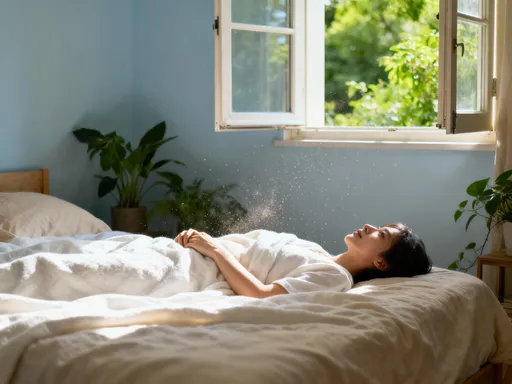
I began by investing in a HEPA air purifier for my bedroom and living area. Within days, I noticed less morning congestion and fewer headaches. I also committed to opening windows for at least 10 minutes each morning, creating a cross-breeze that refreshed stagnant air. These small actions improved air circulation and reduced the buildup of carbon dioxide, which can cause fatigue and brain fog. I replaced chemical-laden air fresheners with natural alternatives like essential oil diffusers using lavender or eucalyptus, both of which have mild antimicrobial properties and calming effects.
Another powerful change was introducing houseplants known for air purification. I added a snake plant, peace lily, and spider plant—species studied by NASA for their ability to remove toxins like formaldehyde and benzene from indoor air. While they don’t replace mechanical filtration, they contribute to a healthier microenvironment. I also switched to fragrance-free, plant-based cleaning products to minimize airborne irritants. Over time, my energy levels stabilized, and I experienced fewer episodes of post-exertion fatigue. Breathing became easier, deeper. I realized that my lungs were not just organs of respiration—they were part of my recovery team. When I gave them clean fuel, my entire body responded with greater resilience.
Natural Light and Circadian Rhythm Reset
Light is more than visibility—it is a biological signal. Natural daylight regulates the body’s internal clock, or circadian rhythm, which controls the release of hormones like melatonin and cortisol. These hormones influence sleep quality, mood, immune response, and tissue repair. When daylight exposure is limited, especially in the morning, the body can fall out of sync, leading to poor sleep, low energy, and slower healing. I had been waking up in a dark room, drawing the curtains late in the day, and relying on artificial light—habits that disrupted my natural rhythm.
To reset my circadian system, I began waking with the sun. I installed sheer curtains to allow early light to enter and made it a rule to step outside within 30 minutes of waking. Even on cloudy days, outdoor light is significantly brighter than indoor lighting and carries the full spectrum needed to signal alertness to the brain. I committed to 20 minutes of morning light exposure, whether walking, sitting with tea, or simply standing in the yard. This small habit had a dramatic effect: I felt more awake during the day and fell asleep more easily at night.
Within two weeks, my sleep efficiency improved, as measured by a simple sleep diary. I no longer woke up multiple times, and my deep sleep phases lengthened. Research from the Journal of Clinical Sleep Medicine confirms that morning light exposure increases melatonin production at night, improving sleep onset and quality. Better sleep meant faster muscle recovery and reduced pain sensitivity. I also noticed improved focus and emotional stability—benefits linked to balanced cortisol rhythms. My body began to heal not because I did more, but because I aligned with nature’s timing. Light became a silent therapist, guiding my physiology back into harmony.
Designing a Calm, Healing Space
The mind and body are deeply interconnected, and the environment shapes both. A chaotic, cluttered room sends subtle signals of stress to the brain, activating the sympathetic nervous system—the “fight or flight” mode. In contrast, an organized, peaceful space supports the parasympathetic nervous system, which governs rest, digestion, and healing. I realized my recovery area was filled with unrelated items—laundry baskets, unpaid bills, electronic cords—creating visual noise that kept my mind subtly agitated.
I decided to declutter with intention. I cleared my bedroom of non-essential items, donated unused furniture, and created dedicated zones: one for rest, one for light stretching, and one for reading. I chose soft textures—cotton sheets, a wool throw, a plush rug—to enhance physical comfort. I repainted the walls in a soft sage green, a color associated with calm and renewal in environmental psychology. Even small details mattered: I replaced harsh overhead lighting with warm, dimmable lamps and added a small fountain for gentle background sound.
These changes transformed the psychological tone of the space. Entering the room now felt like stepping into a sanctuary, not just a bedroom. Studies from the Journal of Environmental Psychology show that people in organized, aesthetically pleasing environments report lower anxiety, higher pain tolerance, and greater motivation to engage in self-care. My body responded quickly—my resting heart rate decreased, and I felt more willing to do daily exercises. The space was no longer neutral; it became an active partner in healing. When the environment says “you are safe,” the body can finally relax and repair.
Soundscapes That Support Recovery
Sound is often ignored, yet it profoundly affects the nervous system. Constant background noise—traffic, appliances, television—keeps the body in a low-grade state of alertness. This chronic auditory stress elevates cortisol and adrenaline, which can impair immune function and delay recovery. I had grown so accustomed to noise that I didn’t notice its toll until I experimented with silence. I turned off the TV during meals and rest periods and began using noise-canceling headphones when outside quiet wasn’t possible.
Instead of artificial noise, I introduced intentional soundscapes. I played recordings of forest sounds, ocean waves, or gentle rainfall during rest and meditation. These natural sounds have a rhythmic, non-threatening quality that helps the brain shift into a relaxed state. Research from the Proceedings of the National Academy of Sciences shows that exposure to natural sounds increases heart rate variability (HRV)—a key indicator of the body’s ability to recover from stress. Higher HRV is linked to better resilience, improved sleep, and faster healing.
I also embraced moments of complete silence, especially before bedtime. In silence, the brain can enter default mode network activity, which supports emotional processing and mental restoration. Over time, I became more sensitive to sound and began to recognize which noises drained me and which restored me. The refrigerator’s hum, once unnoticed, now felt jarring. I replaced it with a quieter model. The change in auditory environment didn’t just reduce stress—it created space for deeper rest. Sometimes, the most powerful therapy isn’t something you do, but something you stop: the constant noise that keeps the body on edge.
Movement-Friendly Home Adjustments
Recovery requires consistent movement, but physical barriers in the home can discourage it. I had been avoiding certain exercises not because of pain, but because the space made them inconvenient or unsafe. The pathway to the living room was cluttered, the floor was slippery, and my resistance bands were stored in a hard-to-reach closet. These small obstacles added up, reducing my motivation to stay active.
I redesigned my home to support mobility. I rearranged furniture to create wide, clear walkways. I added non-slip rugs and installed grab bars near the bathroom and stairs for stability. I placed a small exercise mat, resistance bands, and a foam roller in the living room, where I spent most of my time. These tools were now visible and accessible, making it easier to do short sessions throughout the day. I also adjusted the height of my desk and chair to support proper posture during seated activities.
These modifications had a ripple effect. Because movement became easier and safer, I did it more often—short stretches, balance exercises, light strength training. I no longer had to “find time” or “get ready”—I could simply roll out the mat and begin. This consistency accelerated my progress. Physical therapists often emphasize repetition and routine, but they rarely discuss the environmental support needed to sustain them. A home that encourages movement removes friction from recovery. It turns effort into habit, and habit into healing.
The Bigger Picture: Environment as a Lifestyle Commitment
Healing doesn’t end when rehab does. The changes I made were not temporary fixes but long-term upgrades to my quality of life. Clean air, natural light, calm soundscapes, and supportive design are not luxuries—they are essentials for lifelong well-being. I continue to prioritize these elements because they have improved not only my physical recovery but also my mental clarity, emotional balance, and daily energy.
This journey taught me that health is not just personal—it is environmental. We cannot fully heal in spaces that quietly work against us. But when we align our surroundings with our body’s needs, we create conditions where healing can thrive. The most powerful medicine isn’t always a pill or a procedure; sometimes, it’s a well-placed window, a quiet corner, or a breath of fresh air. Fixing my environment didn’t just help me recover from an injury—it reshaped how I live. This is not a quick fix. It is a lasting commitment to living in a way that honors the body’s need for peace, balance, and support.