How Yoga and TCM Taught Me to Master My Emotions
Emotional ups and downs feel normal—until they’re not. Stress piles up, moods swing, and suddenly you’re overwhelmed. I’ve been there. What changed? A systematic blend of yoga, meditation, and traditional Chinese medicine principles that finally brought balance. No quick fixes, just real, gradual transformation. This is how ancient wisdom and mindful movement helped me reclaim emotional control—and how they might help you too.
The Emotional Rollercoaster: Why Modern Life Throws Us Off Balance
Life today moves fast. Responsibilities pile up—managing family schedules, meeting work deadlines, staying connected in a world that never sleeps. It’s easy to feel like you're constantly reacting rather than living with intention. Emotional turbulence, once occasional, can become a daily pattern. Irritability in the morning, anxiety before meetings, fatigue by evening—these aren’t just signs of a busy life. They’re signals that your internal balance is shifting.
Chronic emotional imbalance doesn’t just affect mood. It impacts the body on a physiological level. When stress becomes constant, the adrenal glands, responsible for producing cortisol, can become overworked. This condition, sometimes referred to as adrenal fatigue, leads to persistent tiredness, difficulty concentrating, and disrupted sleep patterns. The nervous system remains in a state of high alert, making relaxation feel impossible. Over time, this imbalance weakens immunity, affects digestion, and diminishes overall well-being.
Modern science and traditional systems like Traditional Chinese Medicine (TCM) agree: emotions are not isolated mental events. They are deeply connected to bodily functions. In TCM, each emotion is linked to a specific organ system. For example, anger is associated with the liver, while excessive worry affects the spleen. When emotions are suppressed or experienced too intensely, they can disrupt the flow of vital energy, or Qi, leading to physical and emotional symptoms. Recognizing this mind-body connection is the first step toward restoring harmony.
Roots of Balance: Understanding Emotion in Traditional Chinese Medicine
Traditional Chinese Medicine offers a comprehensive framework for understanding how emotions influence health. Unlike Western models that often separate mind and body, TCM views them as interconnected aspects of a single system. Each organ is not only responsible for physical functions but also governs certain emotional states. When these systems are in balance, emotions flow naturally. When they are disrupted, emotional disturbances arise.
For instance, the liver in TCM is responsible for the smooth flow of Qi throughout the body. It is closely tied to the emotion of anger. When liver Qi becomes stagnant—often due to stress, irregular routines, or poor diet—it can manifest as irritability, frustration, or even headaches. Similarly, the spleen, which governs digestion and energy production, is linked to overthinking and worry. When weakened, it may contribute to fatigue and difficulty focusing.
The heart, in TCM, is considered the seat of the spirit, or Shen. It governs joy and mental clarity. When heart Qi is strong, a person feels calm and centered. When it is disturbed—by shock, excessive joy, or long-term anxiety—the Shen becomes unsettled, leading to insomnia, restlessness, or emotional volatility. These associations are not mystical beliefs but part of a holistic diagnostic system used for centuries to guide treatment and prevention.
Modern research increasingly supports this integrated view. Studies have shown that emotional stress can alter gut function, influence heart rate variability, and impair liver metabolism. While TCM terminology may differ from Western medical language, the underlying principles—such as the impact of stress on organ function—are gaining recognition. By understanding emotions as physical signals, not just mental experiences, we can begin to address their root causes rather than merely managing symptoms.
Yoga and Meditation: More Than Just Stretching and Breathing
Yoga and meditation are often perceived as physical practices or relaxation techniques. But their true power lies in their ability to regulate the nervous system. The body’s autonomic nervous system has two main branches: the sympathetic, which activates the “fight or flight” response, and the parasympathetic, which promotes “rest and digest” functions. Chronic stress keeps the sympathetic system dominant, leaving little room for recovery. Yoga and meditation help shift the balance back toward calm and restoration.
Specific yoga postures have distinct effects on emotional states. Forward bends, such as child’s pose or seated forward fold, are inherently calming. They compress the abdomen gently, stimulate the vagus nerve, and signal the brain to relax. Backbends, like cobra or bridge pose, can be uplifting, opening the chest and counteracting feelings of sadness or low energy. Standing poses build strength and stability, fostering a sense of confidence and groundedness. The physical practice becomes a form of embodied emotional regulation.
Breathwork, or pranayama, is equally powerful. Techniques like alternate nostril breathing (Nadi Shodhana) have been shown to balance the left and right hemispheres of the brain, improving emotional equilibrium. Slow, diaphragmatic breathing activates the parasympathetic nervous system, lowering heart rate and reducing cortisol levels. Even a few minutes of conscious breathing can shift the body from a state of tension to one of calm. Meditation deepens this effect by training attention and increasing self-awareness, allowing individuals to observe emotions without being overwhelmed by them.
Scientific studies support these benefits. Research published in journals such as Frontiers in Human Neuroscience and Psychosomatic Medicine has demonstrated that regular yoga and meditation practice leads to measurable improvements in emotional regulation, reduced anxiety, and enhanced resilience. These practices do not eliminate stress, but they change the body’s response to it—making challenges easier to navigate with clarity and composure.
Building a Systematic Practice: The 4-Part Framework That Changed My Routine
Transformation doesn’t require dramatic changes. What matters most is consistency. A structured daily routine, even if brief, creates the foundation for lasting emotional balance. The framework that helped me consists of four elements: morning Qi activation, mindful movement, breath awareness, and evening reflection. Each part supports the others, forming a cohesive system that aligns with natural rhythms.
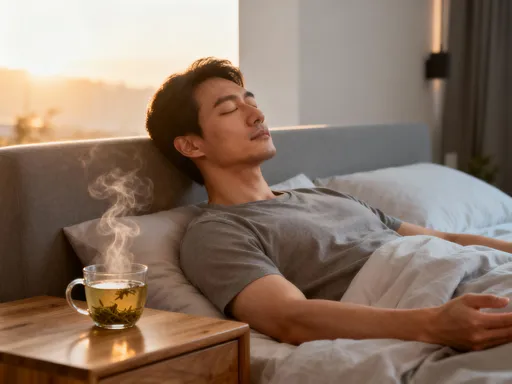
Morning Qi activation begins with simple practices to awaken energy. This might include gentle stretching, tapping along meridian lines (as used in TCM), or a short meditation focused on intention. The goal is not intensity but presence—setting a tone of awareness for the day. Drinking warm water with lemon can also support liver function and digestion, helping to clear stagnation and prepare the body for activity.
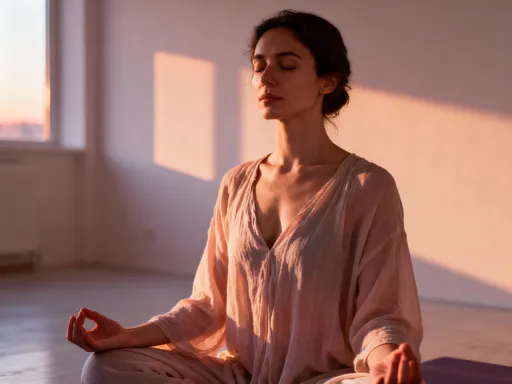
Mindful movement follows, ideally within the first few hours of the day. A 15- to 30-minute yoga sequence, tailored to current energy levels, helps circulate Qi and release physical tension. On low-energy days, a restorative practice with supported poses may be most appropriate. On days with more vitality, a flowing sequence can build strength and focus. The key is listening to the body rather than pushing through discomfort. This practice is not about performance but about connection.
Breath awareness is integrated throughout the day. Taking three to five conscious breaths every few hours—especially before meals or during transitions—helps maintain equilibrium. This simple act resets the nervous system and brings attention back to the present. It can be done anywhere: at a desk, in a car, or while waiting in line. Over time, this practice cultivates a habit of pausing before reacting, creating space for thoughtful responses.
Evening reflection closes the cycle. This might involve journaling, a short gratitude practice, or a body scan meditation. The purpose is to process the day’s experiences without judgment. Noticing patterns—such as when irritability arises or what brings a sense of calm—builds self-knowledge. This reflective practice supports emotional integration, allowing insights to emerge naturally. Over months, this routine became less of a chore and more of a cherished ritual, a daily act of care.
Synergy in Action: How TCM and Yoga Complement Each Other
When combined, yoga and TCM create a powerful synergy. Though they originate from different cultures—yoga from India and TCM from China—they share a fundamental belief: health arises from balance. Both systems emphasize the flow of energy, whether called Prana or Qi, and recognize that blockages lead to discomfort. Their integration offers a more complete approach to emotional wellness than either could provide alone.
One clear point of alignment is the concept of energy centers. In yoga, these are known as chakras—seven main points along the spine that govern physical, emotional, and spiritual well-being. In TCM, meridians are pathways through which Qi flows, connecting organs and influencing health. Some practitioners observe that major chakras correspond closely to key acupuncture points. For example, the heart chakra aligns with acupuncture points used to calm the Shen and regulate emotions. Stimulating these areas—through yoga postures, breathwork, or acupuncture—can produce similar effects: greater emotional stability and inner peace.
Herbal support in TCM also enhances mindfulness practices. Adaptogenic herbs like ashwagandha, astragalus, and reishi mushroom help the body adapt to stress and support adrenal function. When used appropriately, they can deepen the benefits of meditation by reducing physical tension and improving mental clarity. These herbs are not quick fixes but part of a long-term strategy to strengthen the body’s resilience. Always consult a qualified practitioner before beginning any herbal regimen, as individual needs vary.
Seasonal routines further illustrate this synergy. TCM teaches that each season corresponds to specific organs and emotions. Spring, associated with the liver and the emotion of anger, is a time for renewal and detoxification. A dynamic yoga practice with twisting poses can support liver function and release stored tension. Winter, linked to the kidneys and fear, calls for stillness and conservation. Restorative yoga and quiet meditation align with this inward energy, promoting deep rest and reflection. By aligning practices with natural cycles, we work with the body’s rhythms rather than against them.
Real Shifts: Tracking Emotional Progress Without Judgment
Emotional progress is subtle. Unlike weight loss or muscle gain, it doesn’t always show up on a scale or in the mirror. But it reveals itself in quiet moments: pausing before snapping at a child, sleeping through the night, or feeling calm during a stressful meeting. These are the real indicators of change. They reflect a nervous system that is regaining balance and a mind that is learning to respond with awareness rather than reaction.
Tracking progress begins with self-observation. Journaling is a simple yet powerful tool. Writing down daily emotional experiences—what triggered a reaction, how the body felt, what helped regain calm—creates a record of patterns. Over time, this reveals insights: perhaps certain times of day are more challenging, or specific situations consistently cause stress. This knowledge empowers intentional choices, such as adjusting routines or practicing breathwork in advance of known stressors.
Body scanning, a meditation technique, enhances this awareness. It involves mentally scanning the body from head to toe, noticing areas of tension, warmth, or numbness. Physical sensations often mirror emotional states. Tight shoulders may signal unexpressed anger; a clenched jaw could indicate anxiety. By tuning into these signals, individuals can address emotions before they escalate. This practice fosters a compassionate relationship with the body, one that listens rather than ignores.
It’s important to release the expectation of perfection. Emotional mastery is not about eliminating difficult feelings. It’s about changing the relationship with them. Some days will still be hard. The goal is not control but resilience—the ability to move through discomfort with greater ease. Celebrating small wins, like taking three deep breaths during a tense moment, reinforces progress and builds confidence over time.
Making It Sustainable: Weaving Wellness Into Everyday Life
Sustainability is the key to lasting change. Many people start strong with yoga or meditation but struggle to maintain consistency. The obstacle is rarely knowledge—it’s integration. Wellness must fit into real life, with its unpredictable schedules and competing demands. The solution is not more time but smarter practices—micro-moments of mindfulness that add up over days and weeks.
Three-minute breath resets are one effective strategy. Set a reminder every few hours to pause and take slow, deep breaths. This brief interruption can prevent stress from accumulating. Desk stretches—gentle neck rolls, shoulder shrugs, or seated twists—release tension without leaving the workspace. Mindful walking, even for just a few minutes, turns a routine activity into a practice. Paying attention to each step, the feeling of the ground, and the rhythm of breath transforms a simple act into a grounding experience.
Another barrier is skepticism. Some may doubt that such small actions can make a difference. But neuroscience supports the power of repetition. The brain changes through neuroplasticity—repeated thoughts and behaviors create new neural pathways. Daily micro-practices, though brief, reinforce new habits of calm and awareness. Over time, these become automatic, making emotional regulation more natural.
Support systems also matter. Joining a yoga class, finding a meditation group, or simply sharing experiences with a trusted friend can increase accountability and motivation. Even discussing challenges normalizes the journey and reduces isolation. Wellness is not a solitary pursuit. It thrives in connection and shared intention.
Ultimately, emotional wellness is not a destination but a continuous journey. It requires patience, self-compassion, and commitment. The integration of yoga and TCM offers a time-tested path—one that honors both ancient wisdom and modern understanding. It doesn’t promise instant results, but it delivers something more valuable: a deeper sense of balance, resilience, and presence. By showing up for yourself, one breath at a time, you cultivate a life not free from challenges, but full of clarity and strength.