After Sharing 37 Logins with Friends, This App Made Morning Coffee and Chaos Disappear
Mornings used to stress me out—texting friends for shared account passwords while half-awake, juggling streaming logins, group gift payments, or travel plans. Sound familiar? I felt like a human password manager. Then I found a simple app that changed everything. Now, with one tap, my closest friends and I share access securely—no more frantic messages. This isn’t just about convenience; it’s about protecting our time and trust.
The Morning Mess: When Friendship Meets Forgotten Passwords
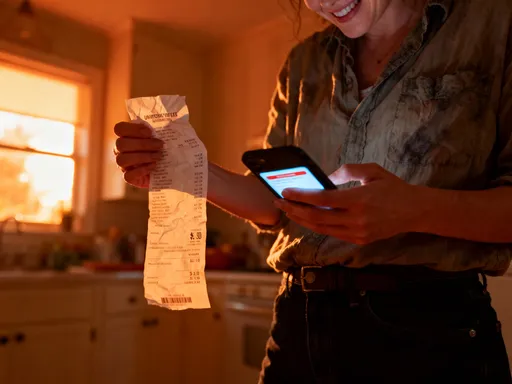
There’s something about the quiet of early morning light filtering through the kitchen window that should feel peaceful. Instead, too often, it’s filled with the buzz of my phone—another text from a friend asking for a password. “Hey, can you send me the login for the yoga app again?” “Did you get the Wi-Fi code from Lisa?” “I can’t access the shared playlist—can you help?” I’d scramble, half-awake, trying to remember which friend had which login, or worse, realizing I didn’t have it either. It wasn’t just annoying—it made me feel like I was failing at friendship. Like I wasn’t holding up my end of our little digital ecosystem.
And it wasn’t just me. I’ve talked to so many women—mothers, sisters, best friends who’ve been close for decades—who are living the same way. We share so much: recipes, advice, childcare, even our homes during vacations. But somewhere along the way, we started sharing digital access too, without any real system for it. No rules, no structure—just a web of trust held together by text messages and memory. And when one thread breaks, the whole thing feels like it’s unraveling.
What’s funny is how small these moments seem until they’re happening. You don’t think about how much you rely on shared access until you’re standing in your kitchen, coffee in hand, waiting for someone to reply so you can turn on the Wi-Fi. Or you’re about to start a meditation session with your group, and no one can log in. These aren’t big crises, but they chip away at the calm we’re all trying to build in our lives. And for women who already carry so much—the mental load of family, work, relationships—this kind of digital clutter just adds another weight.
I started to wonder: why are we doing this to ourselves? We use technology to make life easier, but this felt like it was doing the opposite. It wasn’t connecting us—it was creating friction. And that’s when I realized the problem wasn’t our friendships. The problem was the tools we were using to support them. Or rather, the lack of them.
How We Accidentally Became Each Other’s Password Keepers
Looking back, it happened so gradually that I didn’t even notice. It started with something simple: splitting the cost of a streaming service. My best friend Sarah and I both loved true crime documentaries, so we decided to share a subscription. “Just send me the login,” she said. Easy. Then another friend, Maria, wanted in. “Sure,” I said, “I’ll pass it along.” Before I knew it, I was the one managing the account. Not officially, not by choice—just because I was the one who set it up.
Then came the meal delivery service. My sister and I live in different cities, but we wanted to try the same healthy recipes. We shared a login so we could swap weekly menus. Then a cousin joined. Then a neighbor. Suddenly, I was the gatekeeper to our little foodie network. And it wasn’t just entertainment or groceries. We shared travel bookings, fitness apps, online courses, even group gift registries for weddings and baby showers. One friend booked our group retreats. Another managed our book club’s online account. I handled the family reunion planning folder.
We weren’t just sharing accounts—we were building a shared digital life. But there was no system. No clear rules about who had access, how long they had it, or what happened if someone left the group. We relied on memory, on sticky notes left on fridges, on last-minute texts. “Hey, can you reset the password? I think the old one stopped working.” “Wait, who has the Airbnb login?” It felt personal, in a way—like we were trusting each other with something intimate. But it was also fragile. One forgotten password, one lost phone, and the whole thing could collapse.
And let’s be honest—none of us wanted to be the person who dropped the ball. We all cared deeply about our friendships. We wanted to show up, to be reliable, to make things easier for each other. But without the right tools, we were setting ourselves up to fail. We were trying to manage a modern problem with outdated methods—like using a paper map in the age of GPS.
The Wake-Up Call: When a Lost Phone Almost Broke Our Group Trip
It was supposed to be the perfect weekend: four close friends, a cozy cabin in the mountains, a long-planned retreat to reconnect and recharge. We’d been talking about it for months. Sarah had booked everything—the Airbnb, the car rental, even the grocery delivery for our first night. She was the organizer, the one who remembered every detail. And then, the night before we left, she lost her phone.
At first, we laughed. “You’ll find it,” we said. “It’s probably at the gym.” But as the hours passed and the phone stayed missing, panic started to set in. Sarah was the only one with the Airbnb check-in instructions. The only one with the car rental confirmation. The only one who had saved the Wi-Fi password for the cabin. We tried calling customer support, but without access to her email or two-factor authentication, we were stuck. We spent hours trying to reset accounts, verify identities, and explain our situation to strangers on the phone—all while trying to pack, calm our nerves, and figure out how we’d even get to the cabin.
That night, I lay awake thinking about how close we came to canceling everything. Not because we didn’t care. Not because we hadn’t planned well. But because our entire plan depended on one device in one person’s pocket. It wasn’t just inconvenient—it felt unsafe. What if this happened during a real emergency? What if we couldn’t reach someone when it really mattered?
That trip did happen, thank goodness. We managed to recover enough access to make it work. But the experience left a mark. It made me realize that our way of sharing wasn’t just inefficient—it was risky. We were putting our trust in something fragile: memory, devices, and last-minute coordination. And for a group of women who had built a decade of memories together, that felt like too high a price to pay for a little convenience.
Finding the Right Tool: Not Just Security, But Peace of Mind
After the trip, I started looking for a better way. I didn’t want something cold or technical—some corporate password vault that felt like a bank vault. I wanted something that felt like *us*. Something warm, simple, and built for real relationships. I tried a few apps, but most were either too complicated or too impersonal. One required a tutorial just to add a friend. Another made me feel like I was signing a legal contract every time I shared a login.
Then I found it: an app that felt like a quiet helper. No flashing ads, no confusing menus. Just a clean, simple interface where I could store logins and share them with a tap. I could invite friends, set permissions—like read-only or full access—and revoke them just as easily. No more guessing who had what. No more sticky notes. And most importantly, no more stress.
What I loved was how it respected our trust. I could see who had accessed what and when, but it didn’t feel invasive. It wasn’t about surveillance—it was about clarity. And the security? Solid. End-to-end encryption, two-factor authentication, biometric login. I didn’t need to understand all the tech terms to feel safe. I just knew that if someone lost their phone, it wouldn’t break our group. We could lock it down in seconds.
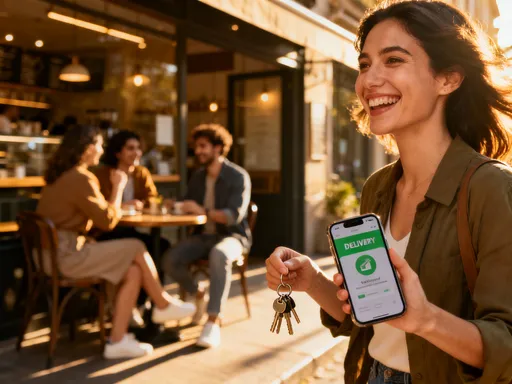
But here’s what surprised me: it didn’t feel like a tech tool at all. It felt like a relationship tool. Like a digital version of handing your friend a spare key to your house. It said, “I trust you. I’ve got your back.” And in return, my friends felt the same. We weren’t just sharing passwords—we were sharing peace of mind.
How We Use It Every Morning: Small Steps, Big Calm
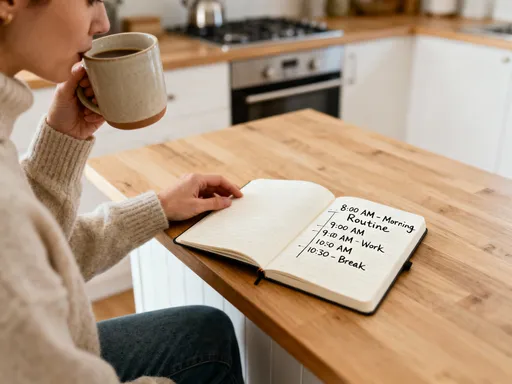
Now, my mornings are different. I still make coffee. I still listen to the birds outside. But I don’t start the day stressed. When I need the login for our shared grocery delivery, I open the app and tap it in—no texting, no waiting. When my sister wants to update our family recipe folder, she logs in directly. When Sarah wants to check the upcoming book club pick, she has instant access.
It’s not just about saving time—though we do. It’s about protecting the tone of our days. Mornings used to start with friction. Now they start with ease. And that small shift has made a big difference in how I feel overall. I’m calmer. More present. Less reactive.
My friends have noticed it too. “You seem lighter,” Maria said last week. “Like you’re not carrying so much.” And she’s right. I’m not. The mental load of managing all those little digital details? It’s gone. Shared. Distributed. And because the system is reliable, I don’t have to worry about letting anyone down.
We still talk, of course. We still text, call, laugh over silly memes. But the conversations aren’t about passwords anymore. They’re about life. About how the new yoga class felt, or which book we’re reading, or whether the cabin needs a new coffee maker. The app didn’t replace our connection—it protected it from turning into a chore.
Beyond Convenience: Strengthening Trust Through Technology
What I didn’t expect was how much closer we’d feel. Sharing access used to feel risky—like I was giving someone a piece of my digital life. But now, it feels like the opposite. It feels like an act of care. When I share a login with Sarah, it’s not just about the account. It’s about saying, “I trust you with this part of my world.” And when she shares something with me, it’s the same.
That kind of trust doesn’t happen overnight. It’s built in small moments—like knowing someone has your back when your phone dies, or when you forget a password, or when you’re too tired to deal with it all. The app didn’t create our trust. Our trust was already there. But it gave us a way to honor it, to make it visible and practical.
In a world where so much feels temporary—where apps come and go, where privacy feels fragile—this feels solid. It’s not flashy. It doesn’t announce itself. But it’s there, quietly holding things together. Like a good friendship should.
And honestly? It’s made me rethink what technology is for. It’s not just about speed or efficiency. It’s about how we want to live. Do we want to spend our days chasing passwords? Or do we want to spend them laughing with friends, sipping coffee, feeling safe and supported? This app helped me choose the second one.
Making It Work for You: A Gentle Start for Real Friendships
If you’re reading this and thinking, “That sounds nice, but I’m not tech-savvy,” I get it. I felt the same way. But here’s the truth: you don’t have to be. This isn’t about mastering complicated tools. It’s about finding one simple thing that makes your life a little easier. Start small. Pick one shared account—maybe the streaming service you split with your sister, or the gift fund for your niece’s birthday, or the travel folder for your next family trip. Invite one person. Just one.
Set it up together. Maybe over a phone call while you’re both making dinner. Or during a walk in the park. Talk about what it means to share access. Set some simple ground rules: who can edit, who can view, how long access lasts. Keep it light. Keep it kind. This isn’t about control—it’s about care.
And if it feels awkward at first, that’s okay. Change always does. But give it a few mornings. See how it feels to start the day without that little knot of stress in your chest. See how it feels to know you’re not alone in holding everything together.
Because that’s the real gift here. It’s not just about passwords. It’s about partnership. It’s about saying, “We’re in this together.” And that’s something worth a little tech upgrade.
A Calmer Morning, A Stronger Us
This isn’t about being perfect. It’s about being present. It’s about creating space in our lives for what matters—our families, our friendships, our peace. That simple app didn’t change my life because it was revolutionary. It changed my life because it was gentle. Because it listened. Because it understood that the best technology doesn’t complicate our lives—it simplifies them. It doesn’t isolate us—it connects us, in ways that feel safe and true.
We don’t need more tools that demand our attention. We need ones that give it back. That protect our time, our trust, our calm. And sometimes, that begins with something as small as not having to text a friend for a password before your coffee is even ready.
So here’s to calmer mornings. To stronger friendships. To the quiet magic of showing up for each other—without the digital chaos. Because we deserve that. And maybe, just maybe, it’s as close as one tap away.