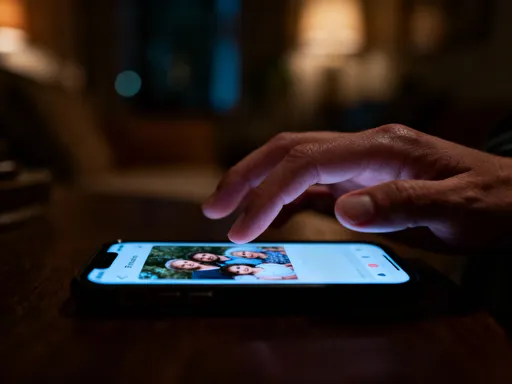
More Than Reminders: How a Simple App Brought Us Closer Every Day
Life gets busy, and even when you love someone deeply, it’s easy to drift into silence—especially with work, chores, and endless notifications pulling your attention. I used to think strong relationships just happened. But what if the little things, the daily check-ins and small gestures, are what truly keep love alive? That’s where something as simple as a health habit app changed everything for us. It didn’t fix us. We weren’t broken. But it helped us remember to show up for each other, in ways that felt light, natural, and real. And over time, those tiny moments added up to something deeper than we ever expected.
The Quiet Drift No One Talks About
It didn’t happen overnight. There was no fight, no dramatic moment of disconnection. Just a slow, quiet fading of the emotional thread that once felt so strong. We lived under the same roof, shared meals, planned vacations, and supported each other through tough days. But when I really thought about it, I realized how rarely we paused just to be with each other. Our conversations had become functional—what time are you home? Did you pick up the kids? We need milk. Important, yes, but not exactly intimate.
I remember one evening, sitting on the couch with my phone in hand, scrolling through a list of grocery items while my partner watched a show. We were both present, but not really together. I looked over and thought, When was the last time we just talked? Not about schedules or bills, but about how we were feeling? That moment stuck with me. It wasn’t loneliness. It was awareness. We weren’t distant because we stopped caring—we were just caught in the current of daily life, moving fast but not connecting.
This kind of emotional drift is more common than we admit, especially among couples who’ve been together for years. There’s no crisis, no betrayal—just the slow erosion of attention. And the sad truth is, it often goes unnoticed until someone finally says, I feel like we’re just roommates. I didn’t want that. I loved my partner deeply. I just realized love isn’t just a feeling—it’s a practice. And like any practice, it needs intention. But how do you bring that intention back when your days are already full?
A Tiny Nudge That Started It All
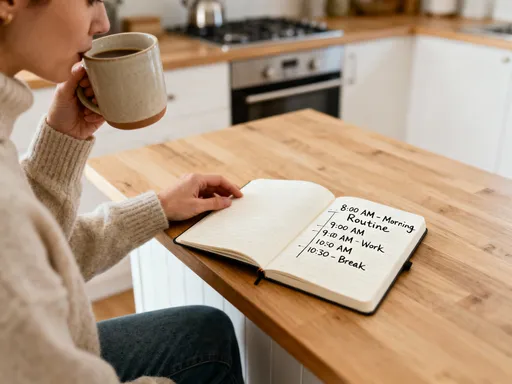
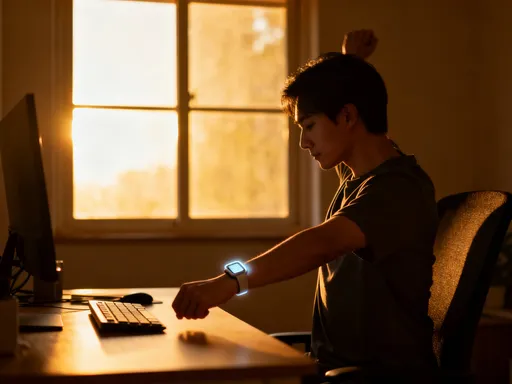
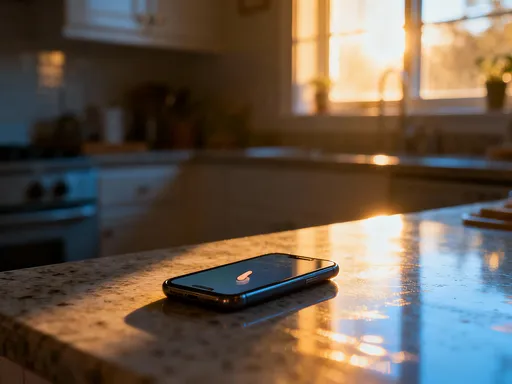
The answer came from an unexpected place: a habit-tracking app I downloaded to take better care of myself. I was trying to drink more water, move my body daily, and get consistent sleep. Nothing revolutionary. The app sent gentle reminders—little pings that said things like, Time to stretch or Don’t forget to hydrate. One morning, though, it surprised me with a different kind of prompt: Take a mindful breath and think of someone you care about.
I paused. I wasn’t expecting that. But I closed my eyes, took a slow breath, and the first person who came to mind was my partner. Not because anything was wrong, but because he’s always there—steady, kind, and present in his quiet way. On impulse, I picked up my phone and sent a simple message: Just thought of you. Hope your day’s off to a good start.
His reply came quickly: Aw, that made my morning. Thank you. Two sentences. That’s all it took. But something shifted. It wasn’t the message itself—it was the act of pausing, noticing, and reaching out. For the first time in a long time, I had made emotional connection a priority, even for just a moment. And the best part? It felt easy. No pressure, no grand gesture. Just a small, genuine moment of care.
That tiny exchange stayed with me. I started wondering—what if I didn’t wait for an app to remind me to love? What if I could build that awareness into my day, like brushing my teeth or drinking water? It wasn’t about fixing a problem. It was about protecting something precious.
From Self-Care to Shared Care
Most habit apps are designed for personal growth—fitness, mindfulness, productivity. But I began to see how those same tools could support emotional wellness, too. The app I was using allowed custom habits, so I added one: Send a kind message to my partner before noon. At first, it felt a little mechanical. Like I was checking a box. But over time, it became something else. It became a daily invitation to reconnect.
What surprised me was how quickly it caught on. My partner started noticing the messages—not just the content, but the consistency. And then, one day, he mentioned he’d downloaded the same app. I wanted to be better about checking in with you, he said. He created his own habit: Text one thing I appreciate about you today. Just like that, what began as a solo self-care experiment turned into something shared.
We weren’t using the app to track arguments or solve problems. We were using it to celebrate the good. To notice each other. To say, I see you. I’m grateful for you. And because these messages happened regularly, they didn’t feel like obligations—they felt like gifts. Small, but meaningful.
This is where technology becomes more than just a tool—it becomes a bridge. When two people are committed to connection, even a simple app can amplify their efforts. It’s not about replacing real emotion with digital prompts. It’s about using structure to support something that matters. And in our case, that structure helped us rebuild a rhythm of care that had slipped away.
Designing Moments, Not Messages
Once we both had the habit in place, we started getting creative. We customized our prompts together, turning them into gentle reflections rather than robotic tasks. Instead of just send a message, we used prompts like: What’s one thing I appreciate about them today? or Did we laugh together yesterday? or What’s something small they did that made my life easier?
These weren’t grand declarations of love. They were quiet acknowledgments of the everyday. But over time, they built something powerful—a shared language of appreciation. I started noticing things I might have otherwise overlooked—how he made coffee every morning without being asked, or how he always remembered to feed the dog when I was distracted. And when I mentioned those things in a message, it didn’t go unnoticed.
One day, he wrote back: You have no idea how much it means to hear that. I don’t always feel like I do enough, but when you notice, it makes me want to keep going. That hit me right in the heart. We often assume our partners know we appreciate them. But the truth is, most people crave that acknowledgment. And when it comes in a simple, unexpected message, it lands differently than a passing thanks at dinner.
What we were doing wasn’t complicated. We weren’t scheduling weekly check-ins or having deep heart-to-heart talks every night. We were creating micro-moments of connection—tiny emotional deposits that added up over time. And because they came through a tool we both trusted, they never felt forced. They felt like natural extensions of how we wanted to love each other.
When Tech Feels Human
I know what some people might be thinking: Isn’t this artificial? Doesn’t using an app to stay connected make it feel… fake? I asked myself the same thing at first. But here’s what I’ve learned—technology doesn’t create emotion. People do. The app didn’t make me love my partner more. But it did help me remember to express it, especially on days when I was tired, stressed, or just distracted.
Think of it like setting a timer to cook together. The timer isn’t the romance. The shared meal, the laughter, the conversation—that’s the romance. The timer just makes sure you don’t forget to show up. In the same way, the app didn’t replace our relationship. It protected space for it. It gave us a nudge when life got loud.
And honestly, we already use technology to support other parts of our lives—calendars to remember birthdays, alarms to wake up, grocery apps to plan meals. Why not use it to support emotional intimacy, too? The key is intention. If you use the app as a substitute for real connection, it won’t work. But if you use it as a scaffold—a gentle reminder to do what you already want to do—it can be incredibly powerful.
Another thing I’ve noticed: the more consistent we were with these small gestures, the less we needed the reminder. The habit started to live inside us. Now, even on days when the app doesn’t ping, I often find myself sending a message anyway. Because the practice changed me. It rewired my attention. I’m more aware of my partner, more grateful, more present. And that’s the real win—not the app, but the shift it helped create.
Beyond the Screen: Real-Life Ripple Effects
The most beautiful part? The connection didn’t stay on our phones. Those little messages started spilling over into our real lives. We began asking better questions at dinner. Instead of How was your day?—which often gets a one-word answer—we started saying things like, What was the best part of your day? or Did anything surprise you today? And we actually listened to the answers.
We also started noticing each other more in the moment. If he made me laugh, I’d say, I love when you do that. If I came home tired, he’d ask, Do you need a hug or a quiet moment? These weren’t big changes, but they made us feel seen. And that made everything else easier—navigating stress, handling disagreements, supporting each other through tough times.
I’ve come to believe that emotional intimacy isn’t built in grand gestures. It’s built in the in-between moments—the way you hand someone their coffee just how they like it, or how you remember their favorite song, or how you pause to really listen when they’re sharing something small but important. The app didn’t create those moments. But it trained us to notice them. It helped us slow down and pay attention.
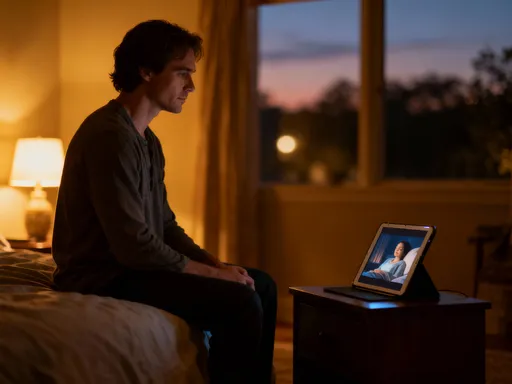
And that attention has become a habit. Now, when one of us is quiet or seems distant, the other doesn’t assume the worst. We check in. We ask, Are you okay? not because there’s a problem, but because we’ve built a culture of care. And that makes all the difference.
A Habit That Stuck, Because It Mattered
It’s been over two years since we started using the app this way. We don’t do it perfectly. Some days, life gets in the way. We forget. We’re tired. We get busy. But we always come back to it. And honestly, that’s part of what makes it real. It’s not about flawless consistency. It’s about commitment—to each other, to the relationship, to the belief that love grows stronger when you tend to it, day by day.
Some days, the prompt leads to a quick text. Other days, it sparks a long conversation, a surprise phone call, or even a handwritten note left on the nightstand. The form doesn’t matter. What matters is the intention behind it. We’re saying, You matter to me. I’m thinking of you. I’m here.
What started as a personal wellness tool has become something deeper—a shared ritual of care. It’s helped us stay emotionally connected, even during stressful seasons. It’s reminded us that love isn’t just a feeling you fall into—it’s something you choose, again and again, in small ways.
And maybe that’s the most important lesson: you don’t need a perfect relationship to have a meaningful one. You just need to show up. To notice. To say, I see you. And sometimes, all it takes is a little reminder to help you remember how much you care.