More Than Tracking: How Order Apps Helped Me Reclaim Time for Real Connections
You know that feeling when your day slips away in chaos—orders lost in limbo, plans derailed by forgotten deliveries? I used to miss friend gatherings just because I was stuck waiting at home. Then I started using order tracking apps differently—not just to follow packages, but to design my time. It wasn’t about the tech itself, but how it gave me back hours, reduced stress, and made space for what matters: showing up for people I care about. These little digital tools didn’t just tell me where my groceries were—they helped me show up on time, fully present, and with a lighter heart. And honestly? That changed everything.
The Gathering That Almost Didn’t Happen
It was supposed to be one of those perfect afternoons—the kind you circle on the calendar weeks in advance. My closest friends and I had planned a long-overdue brunch. We don’t get to see each other as often as we’d like, what with kids, work, and life pulling us in different directions. I’d been looking forward to it all week. I even picked out a new dress and prepped my stories about the kids’ latest school drama.
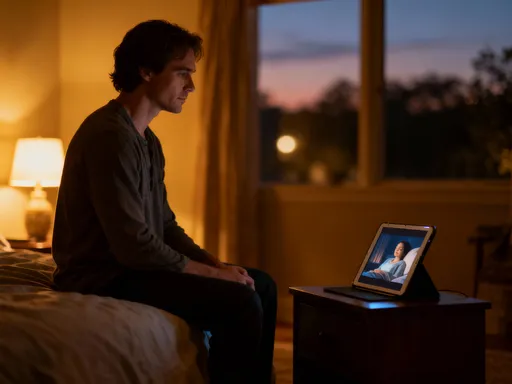
But that morning, everything unraveled. A meal kit delivery I’d ordered for dinner later that evening was running late. The app said it would arrive between 10 a.m. and 2 p.m., and since I didn’t want it sitting on the porch all day—especially with perishables—I decided to wait. Just in case. I told myself I’d leave as soon as it came. An hour passed. Then another. By 12:30, I was pacing the kitchen, checking the door every five minutes. My phone buzzed—“Your driver has arrived”—at 1:17 p.m. By the time I got to the brunch spot, my friends had already left. One text read: “We didn’t want to take up your whole day.”
I sat in my car and cried. Not because of the meal kit. Not even because of the brunch. But because I realized I’d let a delivery dictate whether I showed up for the people I love. That moment hit me hard. I wasn’t just missing events—I was missing connection. And I knew something had to change. I didn’t need more willpower or better time management apps. I needed a smarter way to work with the tools I already had.
From Chaos to Control: Seeing Time Differently
Before that brunch disaster, I didn’t think much about delivery tracking. I’d glance at the app, see “out for delivery,” and assume I’d have it soon. But “soon” is a tricky word when you’re trying to plan a life. Without clear timing, I was living in a state of low-grade anxiety. Every delivery felt like a wild card. Would it come while I was on a school run? During yoga? Right before a phone call with my sister?
This uncertainty wasn’t just inconvenient—it was mentally exhausting. I’d find myself canceling plans or saying “maybe” to invitations because I couldn’t promise I’d be free. My calendar was full of gaps I couldn’t fill, not because I didn’t want to, but because I didn’t trust the timing of these small, everyday tasks. It was like trying to build a house on shifting sand. No matter how hard I tried to organize, something always slipped through.
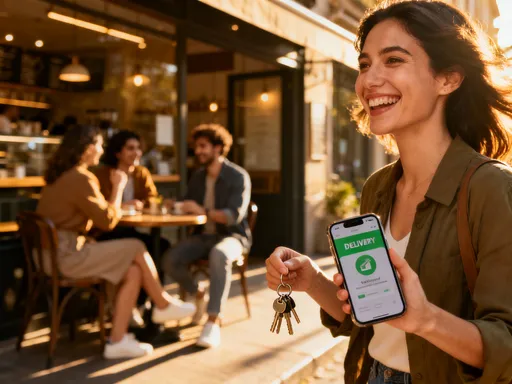
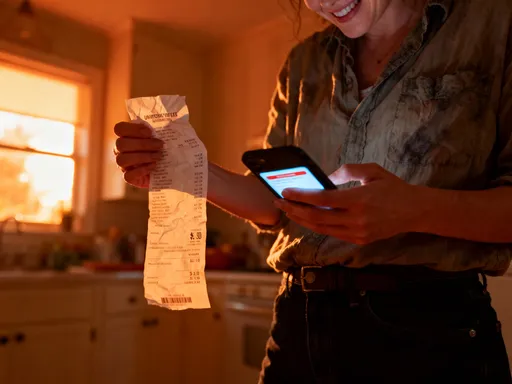
Then I started paying closer attention to the details in the tracking apps. Real-time updates. Estimated delivery windows. Driver location pins. I began to see these not as cold tech features, but as tiny anchors of certainty in a busy day. Instead of dreading the unknown, I could finally say, “It’ll be here at 11:30.” That small shift—from guessing to knowing—was revolutionary. It wasn’t just about getting my package. It was about getting my time back.
And with that time came something even more valuable: peace of mind. I stopped hovering by the door. I stopped rescheduling. I started trusting that I could plan around the delivery instead of letting it plan for me. That sense of control rippled into other parts of my life. I felt calmer. More confident. Like I was finally in the driver’s seat—not just waiting for life to happen.
Block Time, Not Just Track Orders
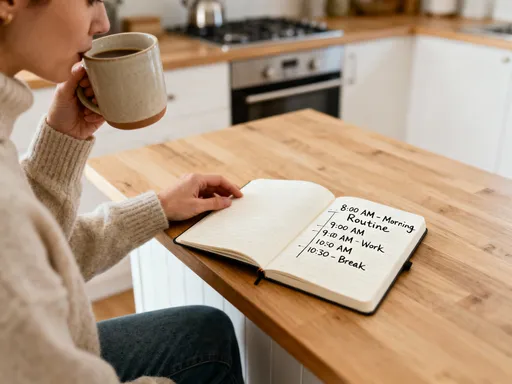
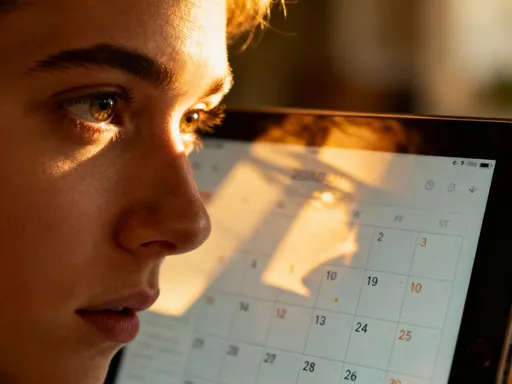
Here’s the thing I realized: tracking apps aren’t really about tracking. They’re about time design. Once I accepted that, everything changed. I started using the delivery window like a mini calendar event. If my groceries were arriving between 10:30 and 11:15 a.m., I’d block that time as “home time” and plan everything else around it. Need to pick up the kids at 12:00? Perfect—I’ve got a solid 45 minutes after the delivery to get ready and leave on time.
But it went further than that. I began treating those delivery blocks like non-negotiable appointments—with myself. If I knew my package was coming at 2 p.m., I’d schedule a coffee with a friend for 3:30. Or plan a walk with my sister right after. Before, I’d hesitate to commit because I never knew when I’d be free. Now, I could say “yes” with confidence. That shift—from uncertainty to certainty—opened up space I didn’t even know I’d lost.
And it wasn’t just about social plans. I started using this system for self-care, too. A delivery arriving at noon meant I could schedule a quiet lunch, read a few pages of my book, or even take a short nap. These weren’t grand gestures—just small pockets of time I’d once let slip away. But they added up. Over time, I noticed I was less frazzled, more present, and actually enjoying the rhythm of my days.
The real magic wasn’t in the app itself. It was in how I chose to use it. By treating delivery time as a planning tool, not just a status update, I turned a mundane task into a foundation for a better day. It’s like realizing your kitchen timer isn’t just for cookies—it can help you structure your whole evening.
Shared Calendars and Shared Laughter
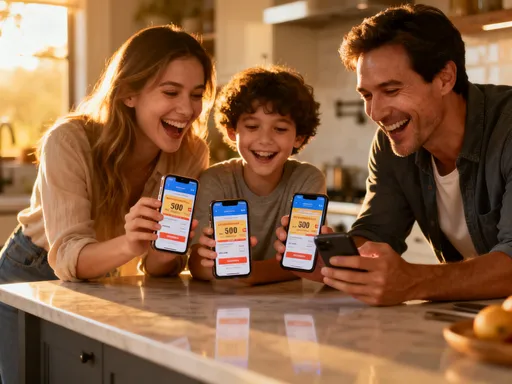
One of the most unexpected joys of this new approach was how it brought my friends closer. I started sharing little updates like, “My salad kit is on the way—see you in 90 minutes!” or “Just got the alert—my tea delivery landed. Wine night is officially back on!” At first, it felt silly. But my friends loved it. They’d reply with emojis, jokes, or their own tracking updates. “My flowers are en route—get ready for a photoshoot!”
What started as a practical note turned into a shared language of anticipation. We weren’t just coordinating logistics—we were building excitement. That little ping from the app became a signal: connection is coming. It softened the edges of planning. Instead of last-minute stress, we had playful countdowns. Instead of guilt for running late, we had mutual understanding. “No worries,” one friend texted once. “I see your pasta is still in transit. We’ll save you a seat.”
We even started syncing our calendars with delivery alerts. If someone was hosting, they’d share their grocery drop-off time so we’d know when to arrive. It removed the awkward “Should I come now? Is dinner ready?” texts. We could show up exactly when it felt right—when the host was relaxed, the table was set, and the moment was ready.
And honestly? It made our time together feel more intentional. We weren’t just squeezing in a visit between errands. We were showing up with purpose, because we’d planned for it. That shift—from reactive to intentional—made our gatherings feel richer, deeper, and more meaningful.
The Ripple Effect on Daily Rhythm
Once I got the hang of using tracking apps to structure my time, I noticed changes in areas I hadn’t even thought to fix. Cooking, for example, became enjoyable again. Before, I’d rush to throw dinner together after a chaotic day, stressed and tired. Now, I know exactly when my ingredients will arrive. I can prep ahead, play music, and actually enjoy the process. Last week, I made lasagna while listening to my favorite podcast—something I hadn’t done in years.
Self-care, too, found its way back into my routine. That 20-minute window between a delivery and my next commitment? I started using it for stretching, journaling, or just sitting quietly with a cup of tea. These weren’t long stretches of time—just small, intentional pauses. But they made a difference. I felt more centered, more like myself.
Even spontaneity returned. It sounds counterintuitive, but having structure actually made room for surprise. Because I wasn’t constantly firefighting last-minute issues, I had mental space to say “yes” to unexpected opportunities. A friend called last month and asked if I wanted to meet for ice cream. In the past, I’d have said, “Let me check if I’m home for a delivery.” This time, I checked the app, saw a clear window, and said, “Absolutely. Meet you in 30.”
That ability to be flexible, to show up for little moments of joy, reminded me that time isn’t just about efficiency. It’s about presence. And when the small details are handled, the big emotions have room to breathe.
Making It Work for Your Life (No Perfection Needed)
If you’re thinking, “This sounds great, but I’m not great with tech,” I get it. I wasn’t either. I used to think apps were for younger, faster people—definitely not for someone juggling school pickups and laundry piles. But here’s the truth: you don’t need to be a tech expert. You just need to start small.
First, pick one delivery you care about—a grocery order, a book for your book club, a gift for a loved one. Open the tracking app and look at the estimated delivery window. Now, treat that like a meeting. Put it in your calendar if it helps. Set a notification for 15 minutes before the window closes, so you don’t miss it.
Next, plan one thing around it. Maybe it’s a phone call with your mom right after the delivery. Or a walk with your dog before the package arrives. The goal isn’t to fill every minute—it’s to reclaim one. Once you’ve done it once, try it again. Group similar deliveries if you can—like ordering groceries and household supplies together—so you’re not managing five different windows in one week.
If your phone allows it, sync your delivery alerts with your calendar app. Many services now do this automatically. You’ll see the delivery as a little event, just like a dentist appointment or a PTA meeting. And if you forget? That’s okay. This isn’t about perfection. It’s about progress. Some days, I still miss alerts. Some days, I let deliveries stress me out. But more often than not, I’m in control. And that’s enough.
The most important step? Start. Not tomorrow. Not when you’re less busy. Today. Because the sooner you begin, the sooner you’ll feel that shift—from chaos to calm, from reaction to intention.
Time Isn’t Just Saved—It’s Given
Looking back, I realize I wasn’t just learning how to track packages. I was learning how to honor my time—and, by extension, my relationships. Every time I use a delivery window to plan a coffee date, a family walk, or a quiet moment with my journal, I’m making a quiet choice: I matter. My time matters. And so do the people in my life.
Technology often gets framed as something that steals our attention, pulls us away from real connection. But in this small, practical way, it’s done the opposite. It’s helped me be more present, more reliable, more joyful. It hasn’t replaced human moments—it’s protected them.
Because here’s the truth: we don’t need more hours in the day. We need more confidence in the hours we have. And when we use tools wisely—not to complicate life, but to simplify it—we create space for what truly nourishes us: laughter with friends, quiet with ourselves, presence with family.
The next time your phone pings with a delivery update, don’t just glance and move on. Pause. Look at the time. Ask yourself: what could I do with this window? Who could I show up for? Because the most beautiful moments aren’t found in perfect schedules or spotless homes. They’re found in the spaces we create—on purpose, with care, and with love.
And that? That’s not just smart tech. That’s a life well lived.