Beyond the Settings: How My Best Friend and I Cut Bills and Found Calm
Living paycheck to paycheck, I never thought a simple chat with my best friend could change how I use technology at home. We both hated high electricity bills and the stress of remembering to unplug things. Then we started comparing notes—phone settings, smart habits, little tricks. What began as a casual coffee talk turned into a month-long experiment that saved us real money, cut energy waste, and surprisingly, brought us closer. It wasn’t about fancy gadgets—it was about small, smart changes that actually stuck. And the best part? These changes didn’t require us to become tech experts or spend hundreds on new devices. They just asked us to look a little closer at what we already had.
The Moment We Realized Our Devices Were Working Against Us
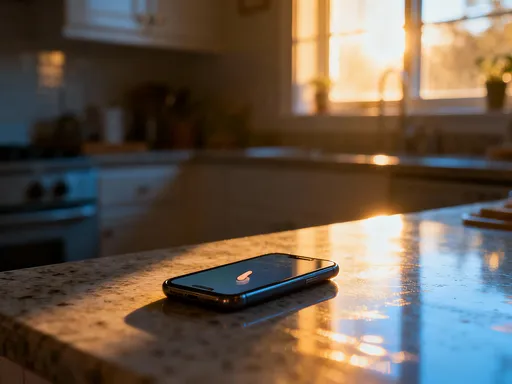
It was one of those gray Sunday afternoons when life feels a little heavier than usual. I was sitting on my best friend Maya’s couch, scrolling through my phone while waiting for it to die—again. The battery had dropped from 70% to 35% in less than an hour, and I hadn’t even opened a video or used the camera. I groaned and said, ‘Why does this always happen?’ Maya looked up from her laptop and said, ‘Same. I swear my phone eats power just by existing.’ We both laughed, but there was truth in it. That moment turned into a real conversation about how tired we were—tired of charging every few hours, tired of high utility bills, tired of feeling like our devices were running us instead of the other way around.
We started comparing our phone settings, side by side. I pulled up my battery usage screen and saw that social media apps were using way more than I expected. Maya checked hers and gasped—her map app was running in the background all night, even when she wasn’t using it. We both had location services turned on for apps that didn’t need it, like games and shopping tools. And neither of us had ever touched the ‘background app refresh’ setting. It was like opening a closet we’d ignored for years and finding it full of energy vampires—silent, invisible, but draining us slowly.
That day, we also looked at our home energy habits. Maya admitted she left her Wi-Fi router on 24/7, and I realized I rarely turned off my smart speaker or unplug my coffee maker. We didn’t think much about it before, but now we started to wonder: how much were these small things adding up? We didn’t have to search long for answers. A quick online search showed that standby power—also called ‘phantom load’—can account for up to 10% of a household’s electricity use. That’s like paying for a small appliance that’s always on, even when you’re not using it. The realization hit us hard: we weren’t lazy or careless. We were just unaware. And that made all the difference—because once we saw it, we knew we could change it.
Starting Small: The First Settings We Changed Together
We didn’t try to fix everything at once. That would’ve felt overwhelming. Instead, we picked three simple changes to start with—ones that wouldn’t disrupt our daily lives but could make a real difference over time. The first was adjusting screen brightness. Both of us had our phones set to full brightness, even indoors. We switched to auto-brightness, which lets the phone adjust based on the light around you. It sounds minor, but screen brightness is one of the biggest battery drainers. Within a day, we noticed our phones lasted longer without needing a charge.
The second change was turning on low-power mode overnight. I set mine to activate automatically at 10 p.m. and turn off at 7 a.m. Maya did the same, but she also scheduled her phone to silence notifications during those hours. This meant fewer distractions and less battery use while sleeping. We joked that our phones were finally getting better sleep than we were. The third change was disabling background app refresh for apps we didn’t use often. We kept it on for messaging and email but turned it off for games, shopping, and social media. This stopped apps from updating in the background when we weren’t even thinking about them.
Then we moved to home devices. I helped Maya set up a timer on her Wi-Fi router so it would turn off automatically at 11 p.m. and come back on at 6 a.m. She was nervous at first—what if she needed the internet late at night? But she realized she rarely did, and when she did, she could manually turn it back on. I learned from her how to turn off location services for apps that didn’t need them. She showed me how to check which apps were using the most battery and adjust their settings. We started sending each other screenshots with little notes like, ‘Look what I turned off!’ or ‘My battery lasted 12 hours today!’ It felt fun, like we were playing a game together—except the prize was real: more battery life, less stress, and a growing sense of control.
Building a Routine: Turning Tech Habits into Shared Rituals
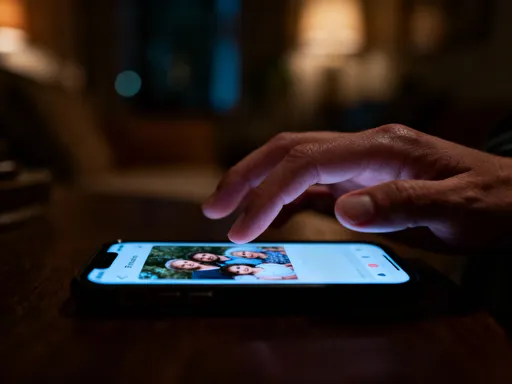
What started as a one-time cleanup turned into a weekly habit. Every Sunday evening, Maya and I began doing a ‘power check’ together over video call. We’d pull up our battery usage screens, compare notes, and celebrate small wins. ‘I didn’t charge my phone once yesterday!’ she said one week. ‘I turned off Bluetooth when I wasn’t using it!’ I replied proudly. These moments felt meaningful, not because they were dramatic, but because they showed progress. We were learning to pay attention in a world that often pulls us in too many directions.
I started applying the same mindset to my home. I bought a few smart power strips—simple outlets that cut power to devices when they’re not in use. I plugged my TV, gaming console, and soundbar into one, so when I turned everything off, they weren’t still drawing power in standby mode. I also set my thermostat to lower the temperature by a few degrees at night and raise it before I woke up. These weren’t huge changes, but they added up. Maya introduced me to an app that sends alerts when a device is using more power than usual. She got one when her refrigerator started running longer cycles, which turned out to be a sign it needed cleaning. Catching it early saved her from a bigger repair later.
These habits became more than just energy-saving tricks—they turned into little acts of care. For ourselves, for our homes, and for the planet. I started seeing my devices not as demands that needed constant charging, but as tools I could manage with intention. Maya said the same. ‘I don’t feel guilty anymore for using my laptop or phone,’ she told me. ‘I just make sure I’m using them wisely.’ That shift in mindset was powerful. It wasn’t about restriction—it was about respect. Respecting our time, our money, and the resources we depend on.
Helping Each Other Stay Consistent—Even When Life Got Busy
Of course, life didn’t always go smoothly. There were weeks when one of us slipped. I went on a trip and came back to find my phone settings had reset—auto-brightness was off, and background apps were running wild. Maya reinstalled a photo-editing app she loved, not realizing it was a battery hog. We both had moments of frustration. But instead of giving up, we learned to be kind to ourselves. We didn’t aim for perfection—we aimed for awareness.
That’s where our friendship made all the difference. When I forgot to re-enable low-power mode, Maya sent me a gentle text: ‘Battery check?’ I did the same for her when she mentioned her phone died twice in one day. We turned it into a joke—‘Did you check your settings?’ became our go-to phrase, like a secret code between us. It wasn’t about nagging; it was about support. Knowing someone else was on the same journey made it easier to keep going.
Over time, these habits required less mental effort. Just like brushing your teeth or locking the door when you leave, they became automatic. I didn’t have to think about turning off Wi-Fi at night anymore—I just did it. Maya started unplugging her hair tools without even noticing. The real win wasn’t just lower energy use—it was the peace of mind. We weren’t constantly chasing chargers or worrying about our electricity bill. We had created space in our lives, not by doing more, but by doing a few things differently.
Seeing the Difference: Lower Bills and Lighter Stress
After two months, we decided to compare real results. I pulled out my last three electricity bills and calculated the average. My monthly cost had dropped by nearly 15%. That might not sound like a fortune, but for me, it was over $30 saved—money I could put toward groceries or a night out. Maya’s bill stayed about the same, which was actually a win because she had started working from home full-time. Without these changes, her bill would’ve gone up significantly. Instead, it held steady, even with more device use during the day.
But the financial savings weren’t the only thing that changed. We both noticed a shift in how we felt at home. My apartment used to feel chaotic—chargers everywhere, devices blinking, the constant hum of machines. Now it feels calmer. I don’t wake up to a dead phone or scramble to find an outlet. Maya said her home feels more peaceful too. ‘I don’t feel like I’m fighting against my devices anymore,’ she said. ‘They’re working with me, not against me.’
That emotional shift was unexpected but powerful. We realized that energy-saving wasn’t just about cutting costs—it was about reducing mental load. Every time we didn’t have to worry about battery life or phantom power, we gained a little more calm. And in a world that often feels too fast, too loud, too demanding, that calm is priceless. We weren’t just saving energy—we were reclaiming our time, our focus, and our sense of control.
Sharing What We Learned—with Family, Roommates, and Beyond
Our journey didn’t stay between us. We started sharing what we’d learned with the people in our lives. I showed my mom how to turn off standby mode on her TV and microwave. She’d never thought about it before, but once she saw how easy it was, she started unplugging her toaster after use too. I taught my roommate to schedule ‘downtime’ on her phone—turning off non-essential notifications after 8 p.m. She said it helped her sleep better and feel less distracted in the morning.
Maya helped her brother set up automatic lighting controls using a simple smart plug. He’s not tech-savvy, but she walked him through it step by step. Now his porch light turns on at dusk and off at bedtime, and his coffee maker powers down after brewing. He told her, ‘I didn’t know I needed this, but I love it.’ These conversations weren’t about being experts or showing off. They were practical, kind, and rooted in care. We weren’t teaching complicated systems—we were sharing small, doable steps that made life a little easier.
What surprised us most was how much joy we felt in helping others. Seeing my mom text me a photo of her unplugged kitchen made me smile. Maya said her brother called her ‘his tech angel.’ We laughed, but it was true—we had become the go-to person for simple, smart solutions. And that felt good. Because we weren’t just saving energy or money—we were building confidence, connection, and a sense of purpose. These small changes weren’t just about technology. They were about showing up for the people we love in real, meaningful ways.
More Than Savings: How This Changed Our Friendship—and Our Lives
Looking back, I realize we didn’t just change our tech habits—we changed how we relate to technology, to our homes, and to each other. What started as a frustrated conversation about high bills turned into a journey of shared growth. We built trust by holding each other accountable. We found joy in small wins. We created a ritual that strengthened our friendship in ways we didn’t expect.
Technology, once a source of stress, became a tool for connection. Every time I adjust a setting or unplug a device, I think of Maya. Every time my phone switches to low-power mode at night, I smile. It’s not just a function—it’s a quiet reminder of our collaboration, our care, and what we can do when we support each other.
We learned that real change doesn’t happen overnight. It happens in small, supported steps. It happens when we pay attention, when we share what works, and when we’re willing to try. And it happens best when we’re not alone. You don’t need the latest gadget or a big budget to make a difference. You just need awareness, intention, and someone who believes in small changes. If you’re feeling overwhelmed by your devices or your bills, know this: you’re not alone. Start with one setting. Try one change. Share it with someone you trust. You might be surprised at how far a little care can take you.