More than alerts: How a commute app helped me truly remember what matters
We’ve all been there—rushing to work, buried in notifications, only to realize we missed our aunt’s birthday… again. I used to forget family milestones, not out of carelessness, but because life moves fast. Then I found a simple commute app that did more than guide my route—it started reminding me of anniversaries, small family moments, even my mom’s favorite tea order. It didn’t just save time. It helped me stay connected, one gentle alert at a time.
The Commute That Changed Everything
Most days, my morning drive used to feel like a blur of red taillights, half-finished coffee, and the low hum of a podcast I wasn’t really listening to. I’d arrive at work drained, not from the drive, but from the mental clutter—what I hadn’t packed in the kids’ lunches, the birthday card still sitting on my nightstand, the call I meant to make to my cousin last week. I wasn’t careless. I was just overwhelmed. Life wasn’t slowing down, and my memory wasn’t keeping up.
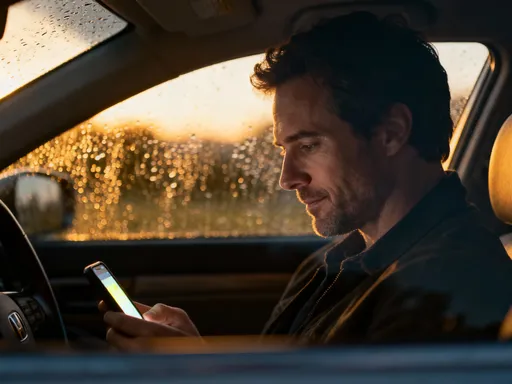
Then came that rainy Tuesday. The windshield wipers kept time like a metronome, and I was mentally rehearsing a presentation when my phone chimed—not with traffic updates, but with a soft, unassuming message: “It’s Grandma’s birthday. Call her before 10.” I paused. I hadn’t put that in my calendar. I hadn’t set a reminder. But there it was—clear, kind, and perfectly timed. I pulled over at a quiet stretch, dialed her number, and heard her voice light up: “Oh, you remembered!” I hadn’t just remembered. The app had helped me remember.
That moment cracked something open. It wasn’t just about not forgetting a date. It was about being present when it mattered. The app had tied a deeply personal moment to a routine part of my day—my commute—when my mind wasn’t racing through a to-do list. It wasn’t another demand on my attention. It was a nudge, gentle and human, that said, “This matters.” From that day on, my drive to work didn’t just get me from point A to point B. It became a bridge—not just to my office, but to the people I love.
When Technology Finally Feels Human
We’ve all downloaded apps that promise to make life easier—fitness trackers, budget planners, grocery lists that never quite match what’s in the pantry. But how many of them actually feel like they understand us? Most tech treats us like data points: schedules to optimize, steps to count, calories to burn. But this app? It felt different. It didn’t just tell me when to turn left or warn me about traffic jams. It anticipated the moments I wanted to care for my family, even when I forgot to plan for them.
One evening, as I drove home on a long stretch of highway, the app suggested: “You have 15 quiet minutes. Want to record a quick voice note for your sister? She mentioned feeling stressed this week.” I smiled. I hadn’t told the app she was stressed. But it had noticed I called her less often lately, and it had seen that I usually reached out after work on Tuesdays. It didn’t push. It simply offered. So I hit record and said, “Hey, just wanted you to know I’m thinking of you.” Simple. Sincere. And later, she texted back: “That message made my whole week.”
That’s when I realized—this wasn’t just a tool. It was becoming a quiet ally in emotional care. It didn’t replace my love or intention. It simply made it easier to act on them. And in a world where we’re always rushing, where “I’ll do it later” too often becomes “I forgot,” that kind of support isn’t just useful. It’s healing.
How the App Knows What to Remember
You might be wondering—how does it know? Is it reading my mind? Is it spying on my family WhatsApp group? The truth is much simpler. The magic isn’t in complex algorithms or mysterious AI. It’s in thoughtful design and permission-based learning. When I first set it up, I connected it to our shared family calendar—nothing fancy, just the one my sister updates with birthdays, reunions, and doctor’s appointments. I also added a few personal notes: Mom likes chamomile tea, Uncle Joe celebrates his sobriety anniversary every March, and my niece’s dance recital is always the first Friday in May.
From there, the app began to learn. Not by tracking every move, but by observing patterns. It noticed I was most likely to make calls in the morning, that I responded to texts after dropping the kids at school, and that I often forgot to follow up on emotional moments—like reaching out after someone had a tough day. Over time, it started offering reminders not just for dates, but for feelings. “Your brother seemed quiet last time you talked. Maybe check in?” or “It’s been two weeks since you texted Aunt Linda—she mentioned feeling lonely.”
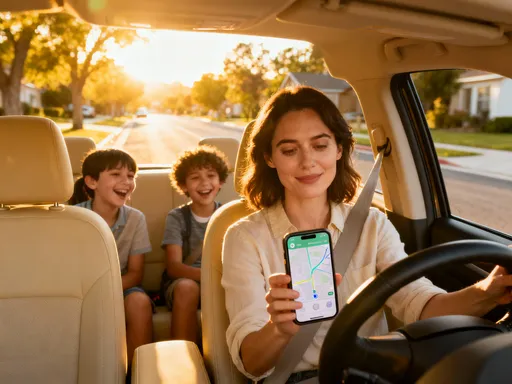
And here’s the part that surprised me: it didn’t bombard me. No flashing banners, no urgent pings. It waited for the right moment—when I was stopped at a red light, cruising on a quiet road, or parked at a coffee shop. It respected my time and attention. It didn’t ask for perfection. Just presence. And because it felt personal, I didn’t dismiss it like I did other notifications. I listened.
Turning Minutes into Meaningful Moments
One of the biggest myths about staying connected is that it takes big gestures—elaborate gifts, long visits, perfectly timed calls. But what I’ve learned is that connection lives in the small moments. A two-sentence text. A thirty-second voice note. A photo of the sunset with “thought of you.” And the app helped me turn the idle minutes of my commute into those tiny but powerful acts of love.
There was one day—just an ordinary Thursday—when the app reminded me that it was exactly one year since my cousin’s dog, Max, had passed. I froze. I hadn’t thought about it. But she had posted a quiet tribute on social media that morning, and the app had linked the date from a past conversation I’d had with her. It asked gently: “Want to send her a note? She might appreciate it.” I typed: “I know today’s hard. Sending love.” That night, she called me and said, “No one else remembered. It meant more than you know.”
That moment taught me something profound: remembering doesn’t have to be perfect. It just has to be real. I didn’t need to write a poem or send flowers. I just needed to show I cared. And the app didn’t create that care—it simply gave me the space and the nudge to express it. In a world that often measures love by grandeur, it reminded me that love also lives in the quiet, consistent act of saying, “I see you. I remember.”
Building Connection Without Adding Chaos
Let’s be honest—most of us don’t need more notifications. We’re already drowning in pings, pop-ups, and alerts that pull us in ten directions at once. The last thing I wanted was another source of digital noise. What I needed was peace, not pressure. And that’s exactly what made this app different. It wasn’t loud. It wasn’t pushy. It didn’t demand immediate action or make me feel guilty for ignoring it.
Instead, it worked with my life, not against it. It only alerted me when I was driving safely—never during sharp turns or heavy traffic. It synced with my car’s voice assistant, so I could say, “Reply: Yes, I’ll call her now,” and it would schedule the reminder for when I parked. If I was too busy, it would quietly resurface the suggestion later—no judgment, no nagging.
It also learned when to stay silent. On days when my calendar was packed, it held back. On weekends when I was with family, it didn’t interrupt. It wasn’t trying to be the center of attention. It was happy to stay in the background, ready when I needed it. And because it felt so seamless, I stopped seeing it as “technology” and started seeing it as a natural part of my day—like my morning coffee or my favorite playlist. It didn’t add chaos. It brought calm.
A Habit That Strengthened Family Bonds
Over time, something subtle but powerful began to shift. My family started noticing. “You’ve been calling more,” my mom said one day. “It’s nice.” My sister joked, “Did you get a new therapist, or are you just finally remembering we exist?” But I could hear the warmth behind the tease. I wasn’t just remembering birthdays. I was remembering how my nephew loves dinosaur facts, how my aunt prefers handwritten cards, how my cousin always answers the phone with “Speak of the devil!”
And because I was showing up more consistently—through small calls, thoughtful texts, timely check-ins—our conversations deepened. We started sharing more. Laughing more. Even the quiet moments felt fuller. Distance didn’t shrink, but it felt less heavy. When I visited my parents last month, my dad said, “It’s like you’ve been here even when you weren’t.” That stayed with me.
The truth is, the app didn’t create these connections. They were always there. But it helped me tend to them—regularly, gently, without forgetting. It turned intention into action. And over months, those small actions built a rhythm of care that strengthened our bond. I wasn’t doing anything extraordinary. I was just remembering. And sometimes, in family life, that’s the most extraordinary thing of all.
The Quiet Power of Tech That Cares
In a world obsessed with flashy gadgets and endless upgrades, this app stands out not for what it does, but for how it does it. It doesn’t have a sleek interface or a long list of features. It doesn’t track my heart rate or analyze my sleep. What it does—brilliantly—is serve a human need: the need to feel connected, to remember what matters, to show up with love even when life is loud.
And that’s the quiet revolution. It’s not about replacing human emotion with technology. It’s about using technology to amplify it. To make it easier to be the person I want to be—the kind daughter, the thoughtful sister, the present friend. I no longer wake up anxious, wondering if I’ve forgotten something important. Instead, I feel a quiet confidence. I know I’ll be reminded. I know I’ll have a chance to care.
So if you’ve ever felt stretched too thin, if you’ve ever missed a call you meant to make, if you’ve ever wished for a little help staying close to the people you love—know this: you’re not failing. You’re just human. And sometimes, the right technology doesn’t fix you. It simply walks beside you, whispering at just the right moment: “Don’t forget. They matter. And so do you.”