I Cut My Daily Commute Stress in Half—Here’s Exactly How This App Changed My Mornings
Remember that sinking feeling when you’re stuck in traffic, late for work, and your child’s school event? I did—every single morning. My commute used to drain my energy and shorten my patience. But last year, I discovered a simple route planning tool that quietly transformed my days. It didn’t just reroute my drive—it reshaped my mornings, gave me back time, and brought calm to my family’s chaos. This isn’t about fancy tech. It’s about real life getting better, one smarter trip at a time.
The Morning Chaos That Felt Normal
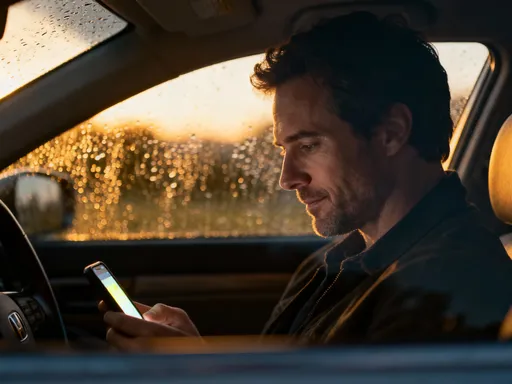
There was a time when my alarm felt like a sentence, not a wake-up call. I’d drag myself out of bed knowing the day would begin with stress—honking horns, last-minute detours, and the constant tug-of-war between getting to work on time and making sure my kids weren’t late for school. I remember one Tuesday morning, rain pounding the windshield, my youngest crying because he forgot his project, and me fumbling with the GPS, trying to figure out why the usual route was backed up for the third day in a row. I arrived at work ten minutes late, hair damp, coffee spilled down my blouse, and already apologizing to my team. That wasn’t an off day. That was my routine.
What I didn’t realize then was how much that daily grind was affecting more than just my punctuality. It was chipping away at my focus, my mood, and even my connection with my family. By the time I got home, I was too drained to really listen, too tense to enjoy dinner. I’d snap over small things—someone leaving the fridge open, a forgotten chore. I thought this was just what adulthood looked like: juggling, rushing, surviving. But looking back, I see it wasn’t survival. It was a slow burn of stress, one red light at a time. And the worst part? I didn’t think I had a choice. I believed traffic was fate, that GPS was just a guessing game, and that the morning scramble was something I had to accept.
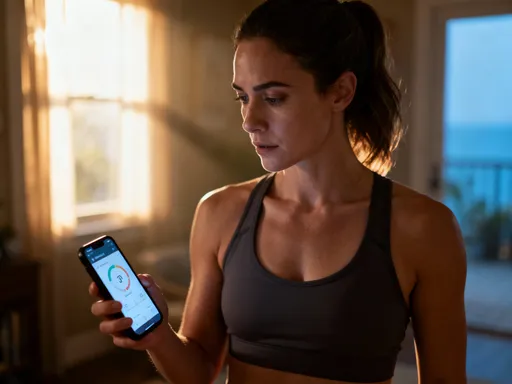
Then, during a rare quiet moment—while waiting in a drive-thru, of all places—I overheard a friend mention an app that “just knows” the best way to go. I wasn’t convinced. How could a phone app understand the chaos of school drop-offs, construction zones, and last-minute errands? But I was tired of feeling defeated before 8 a.m. So I downloaded it. Not with hope, really—more like desperation. And that small click, that one decision to try something new, turned out to be the first step toward taking my mornings back.
How One Small Change Fixed More Than Just Traffic
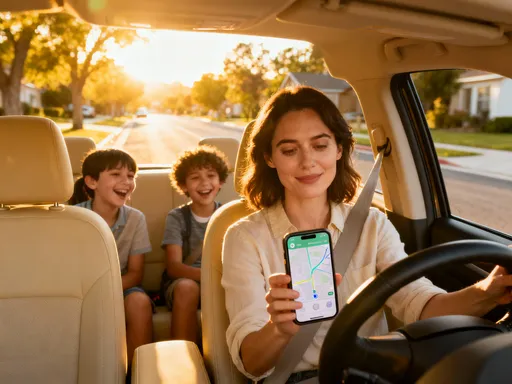
The first time I used the app, I didn’t change much. I just let it run in the background while I drove the same old route. But the next morning, it pinged me with a suggestion: “Leave at 7:52 instead of 7:45. You’ll arrive 4 minutes earlier.” I laughed. How could leaving later make me arrive sooner? But I was curious, so I trusted it. I stayed in bed those extra seven minutes, made a proper cup of tea, and listened to my daughter’s story about her dream without rushing her to the car.
And you know what? I got to work before my usual time. No panic. No wrong turns. The app had rerouted me through a side street I’d never noticed—quieter, less traffic, no construction. It felt like cheating. But it wasn’t magic. It was data—real-time traffic patterns, historical flow, even local school schedules—all working together to find the smoothest path. That day, I didn’t spill my coffee. I didn’t yell. I even remembered to grab milk on the way home. Tiny wins, maybe, but they added up to something bigger: a sense of control I hadn’t felt in years.
What surprised me most was how quickly this small change began to affect other parts of my life. Because I wasn’t starting the day stressed, I was more patient. I listened better. I smiled more. My kids noticed. My partner noticed. I started to believe that maybe, just maybe, I didn’t have to be at the mercy of traffic—or my own exhaustion. The app didn’t fix everything, but it gave me space to breathe, and in that space, I found a little more of myself.
Making the Invisible Visible: What the App Actually Does
You might be wondering, “Okay, but what does it actually do?” It’s not just another GPS that tells you to “turn left in 500 feet.” This tool works more like a thoughtful assistant who’s been studying your life. It pulls in live traffic updates from city sensors, accident reports, weather conditions, and even local event calendars—like parades, sports games, or farmers’ markets that clog up side streets. Then it cross-references that with your personal habits. It learns, for example, that you drop the kids at school on Tuesdays and Thursdays, that you stop for gas every Friday, and that you avoid the highway between 7:30 and 8:15 a.m. because it’s always a mess.
One rainy Monday, I was heading to a doctor’s appointment. The app didn’t just reroute me around a backup—it switched me to a better-lit, wider road with less standing water, even though it was slightly longer. I didn’t ask for that. It just knew safety mattered more than speed in the storm. Another time, it noticed I was running low on windshield fluid (because I’d told it about my last refill) and suggested a gas station with a car care center on my route. These weren’t random suggestions. They were thoughtful, context-aware nudges that made me feel supported, not just directed.
The real breakthrough was how it anticipated problems before I even saw them. Instead of waiting for me to hit traffic and then saying, “Recalculating,” it warned me the night before: “Heavy rain expected Tuesday morning. Consider leaving 10 minutes earlier or using Route 6.” That kind of foresight changed how I planned my entire evening. I could pack lunches with calm, set out clothes, and even get a full night’s sleep knowing my morning was already mapped out. It wasn’t controlling my life—it was helping me live it better.
From Driver to Decision-Maker: Regaining Control
Before this app, I felt like a passenger in my own life. I’d follow the GPS, react to traffic, and deal with delays as they came. I had no say, no real options. But now, I’m not just reacting—I’m deciding. Every evening, the app sends me a summary: “Tomorrow’s commute: 22 minutes if you leave at 7:50. 28 minutes if you leave at 7:35 due to school drop-off congestion.” That simple message gave me back a sense of agency. I could choose. I could sleep in a little, knowing I’d still arrive on time. Or I could leave early and listen to that podcast I’d been meaning to finish.
This shift from reaction to choice had ripple effects. Because I wasn’t racing against time, I could make eye contact with my kids in the rearview mirror. We started having real conversations—about their fears, their dreams, their favorite songs. I began leaving little notes on their backpacks again. I even started humming in the car. These weren’t grand gestures. They were small moments of presence, made possible because I wasn’t mentally already at work or stressing about being late.
And at work, people noticed the change. I wasn’t rushing in with my shoulders up to my ears. I was calmer, more focused, more myself. My boss commented once, “You seem lighter lately.” I smiled and said, “I am.” I didn’t explain it was because I wasn’t losing ten minutes to a stalled truck on Main Street anymore. But that was part of it. When you’re not fighting your way through the day from the start, you show up differently. You have more to give—because you’re not already empty.
Saving Time Without Sacrificing Safety or Sanity
I’ll be honest—I was skeptical at first about apps that promise faster routes. Some push you onto sketchy shortcuts, narrow alleys, or confusing back roads where you’re not sure if you’re still in your own town. I tried one once that sent me down a dirt path during a downpour. Never again. What I love about this tool is that it doesn’t just optimize for speed. It optimizes for safety, clarity, and peace of mind.
It avoids high-crime areas, poorly lit streets, and roads with frequent accidents—especially important when I’m driving alone early in the morning or late at night. It also takes into account road quality: no potholes, no construction zones without clear signage, no confusing merges. If I’m on a longer trip, it even suggests rest stops every couple of hours, reminding me to stretch, drink water, or grab a snack. That’s been a game-changer for weekend drives to visit family. I arrive less stiff, less tired, and actually in the mood to enjoy the visit.
One night, heading home from a friend’s house after dark, the app rerouted me around a stretch of road where there’d been a recent accident. I didn’t know about it. The news hadn’t reported it yet. But the app had picked up emergency vehicle data and adjusted silently. I felt a wave of gratitude—not just for the time saved, but for the sense of protection. As a woman, as a mom, as someone who values feeling safe, that matters more than any shortcut ever could. This tool doesn’t just get me where I’m going. It makes sure I get there in one piece—physically and emotionally.
Sharing the Calm: How It Helped My Whole Family
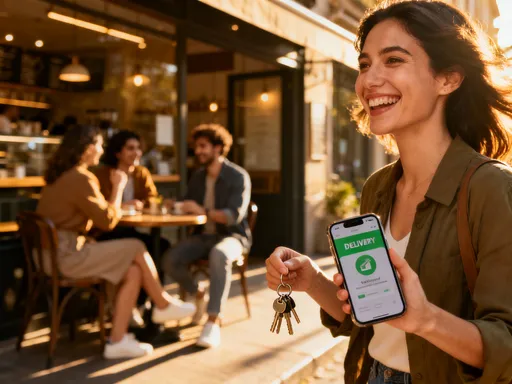
I started using the app for myself, but it didn’t stay mine for long. My partner saw how much calmer I was in the mornings and asked what had changed. I showed him, and within a week, he’d downloaded it too. We linked our calendars, so now if he’s delayed by traffic, I get a notification. If I’m running late picking up the kids, he knows and can adjust. No more frantic texts like “Where are you?” or “They’re going to lock the school!” Those little fights—over missed pickups, over who should’ve called—have almost disappeared.
Even our teenager uses it now. She rides her bike to school, and the app gives her safe route suggestions with alerts for busy intersections or low-visibility turns. She says it makes her feel more independent—and me, less anxious. Last week, she told me, “Mom, I used the app to plan my route to the library, and I got there without getting lost. I felt like a real adult.” That hit me right in the heart. This tool wasn’t just saving me time. It was helping my kids grow up with confidence, with a sense of direction—literally and figuratively.
The app has become a quiet member of our family. Not in a creepy way, but in the way a good habit becomes part of your rhythm. It’s there when we need it, gentle, reliable, never demanding. It doesn’t add noise or pressure. It reduces it. And in a world full of apps that scream for attention, that’s rare. It’s not just a navigation tool. It’s a peacekeeper, smoothing out the edges of our days so we can focus on what really matters—each other.
Beyond the Drive: What This Means for Everyday Life
When I think about what this app has given me, it’s not just time—though I’ve reclaimed nearly ten hours a month. It’s not just fewer traffic tickets or less wear on my car. It’s the intangible things: the ability to start the day with intention instead of panic, to show up as the person I want to be, not the exhausted version I used to accept.
Those extra minutes in the morning? I use them to walk the dog slowly, to watch the sunrise, to journal three things I’m grateful for. I’ve started reading again—actual books, not just headlines. I’ve reconnected with friends over coffee, knowing I won’t be late. I’ve even taken up a beginner’s yoga class, something I’d been putting off for years because “I don’t have time.” But I do. I just didn’t have the margin—until now.
This experience taught me something important: technology doesn’t have to be overwhelming or complicated to be transformative. Sometimes, the most powerful tools are the quiet ones—the ones that don’t demand your attention but simply make life flow better. They don’t replace human connection; they protect it by giving you the space to be present. They don’t add to your load; they lift it.
So if you’re in that place I was—waking up already tired, dreading the drive, feeling like life is happening too fast and you’re always behind—know this: it doesn’t have to stay that way. You don’t have to white-knuckle your way through motherhood, career, and daily logistics. Small changes, supported by thoughtful tech, can create big shifts. You can have calmer mornings. You can arrive on time—and still be kind. You can feel in control again.
It’s not about perfection. It’s about progress. It’s about giving yourself the gift of a little more ease, a little more time, a little more peace. And when you have that, everything else—your family, your work, your sense of self—gets a little brighter. So go ahead. Try the app. Take back your mornings. You deserve to start your day not with stress, but with hope.