Why Are You Still Struggling with Fitness When Your Phone Could Be Your Coach?
We’ve all been there—excited to start a new fitness routine, only to lose motivation when life gets busy. You’re not alone. But what if the tools you already carry in your pocket could make staying fit feel effortless? Online fitness courses aren’t just videos—they’re smart, personal, and surprisingly human. They adapt to your energy, your schedule, even your mood. No judgment, no pressure, just gentle support exactly when you need it. Let’s talk about how small tech changes can create big shifts in your energy, confidence, and daily rhythm.
The Morning Rush and the Fitness Dream That Fades
It starts with the best intentions. Your alarm goes off at 6:15 a.m., and for a split second, you’re filled with that quiet determination. Today’s the day. You’ll do the 20-minute stretch routine, maybe even squeeze in a quick walk before the house wakes up. But then—ping—the school newsletter lands in your inbox. Your youngest coughs from the next room. The dog needs to go out. By the time you’ve poured coffee and found matching socks, it’s 7:03, and the workout window has slipped away like sand through your fingers. The yoga mat stays rolled in the corner, collecting dust and guilt.
This isn’t failure. This is real life. And if you’re feeling like you’re constantly letting yourself down, it’s not because you lack discipline. It’s because the system was never built for you. Traditional fitness advice assumes you have time, space, and endless energy—three things most of us are in short supply of. The truth is, you’re not lazy. You’re just trying to fit a rigid model into a beautifully messy life. And that’s where technology steps in, not to replace effort, but to make it possible. To meet you where you are—exhausted, distracted, multitasking—and say, “I see you. Let’s try this differently.”
Think about it: how many times have you abandoned a workout because it felt too long, too complicated, or too disconnected from your actual day? That’s not a personal shortcoming. It’s a design flaw. And the good news? The tools we use every day—our phones, tablets, smart speakers—are quietly being redesigned to fix that flaw. They’re becoming less like gadgets and more like companions, tuned to your rhythm, your pace, your reality.
How Online Fitness Courses Became the Quiet Game-Changer
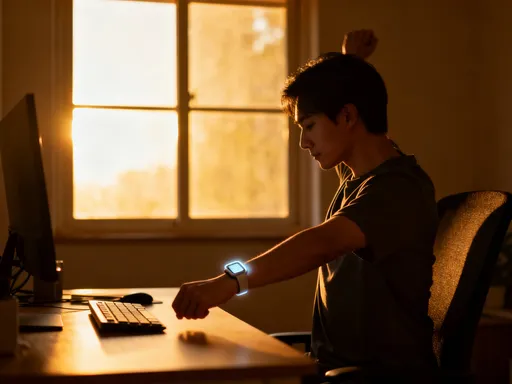
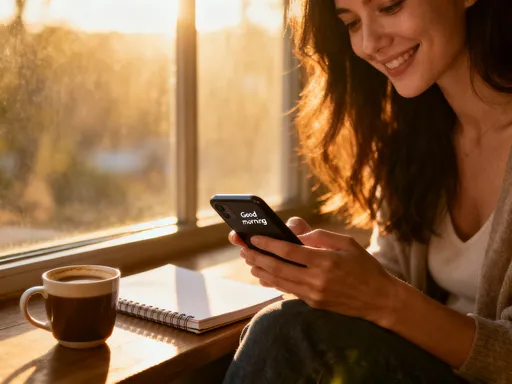
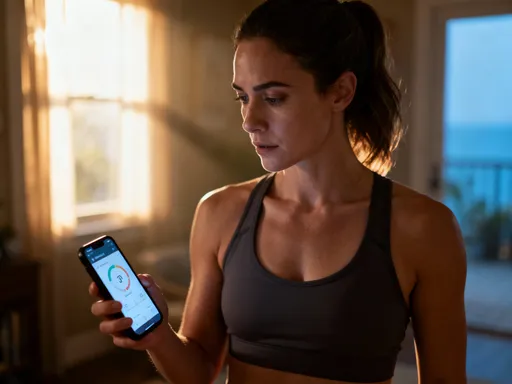
Remember when online fitness meant clicking play on a grainy video and hoping you could keep up? Those days are gone. Today’s platforms are nothing like that. They’re intuitive, responsive, and surprisingly thoughtful. Imagine logging in and seeing a message: “Good morning! You slept well last night—how about a gentle 12-minute flow to wake up your body?” Or getting a nudge at 3:30 p.m.: “You’ve been sitting for a while. Try this 5-minute desk stretch.” That’s not magic. That’s smart design working quietly in the background.
These platforms use simple data—your sleep patterns, activity levels, even the time of day—to suggest workouts that actually fit. No more guessing what to do or when. No more feeling overwhelmed by choices. It’s like having a friend who knows your schedule, remembers what you liked last week, and gently reminds you to take care of yourself. And the best part? It doesn’t scold you when you miss a day. Instead, it adapts. “Tough morning? Try this 8-minute reset when you get a chance.”
Some of these programs even offer real-time feedback on your form using your phone’s camera. You don’t need special equipment—just your device on a shelf or table. As you move through a squat or a plank, the app gives you cues: “Keep your back straight,” or “Engage your core.” It’s not about perfection. It’s about safety and confidence. You’re not alone in the room—you’ve got a guide right there with you, making sure you’re moving in a way that supports your body, not strains it.
And because everything is on your phone or tablet, you don’t need to carve out extra time to drive to a gym or set up complicated equipment. Your workout is always with you, ready when you are. Whether it’s a full session or just three minutes between errands, the tech makes it feel doable, not daunting.
The Hidden Power of Micro-Workouts in Your Pocket
Here’s a secret: you don’t need an hour to make progress. In fact, research shows that short, consistent bursts of movement can be just as effective—if not more so—than longer, infrequent workouts. The key isn’t duration. It’s showing up. And that’s where micro-workouts come in. These are five- or ten-minute sessions designed to fit into the cracks of your day. While the coffee brews. While dinner simmers. While your teenager finishes homework at the kitchen table.
Meet Sarah, a mom of two from Ohio. She told me, “I used to think unless I could do 45 minutes, it didn’t count. Then I’d skip it altogether. Now? I do a five-minute mobility routine every morning while my kids eat breakfast. Sometimes I do another while I’m waiting for the laundry to finish. It’s not glamorous, but I feel stronger. My back doesn’t hurt as much. And I don’t feel guilty anymore.” That shift—from all-or-nothing to “something is enough”—is everything.
What makes micro-workouts work isn’t just their length. It’s how they’re designed. A good one doesn’t feel like a compromise. It feels like a win. It might be a focused core session, a balance challenge, or a breathing exercise to reset your nervous system. And because they’re short, you’re more likely to actually do them. No mental battle. No negotiation. Just a quick tap on your phone and you’re moving.
Over time, these tiny efforts add up. Your body learns to move with more ease. Your energy levels stabilize. You start to notice small victories: you can carry groceries without setting them down, you climb stairs without holding the railing, you play tag in the backyard without needing to sit down afterward. These aren’t just physical changes. They’re confidence builders. They remind you that you’re capable, that you’re taking care of yourself, even in the busiest seasons of life.
Personalization That Feels Like It Knows You
One of the biggest reasons people give up on fitness is because it feels one-size-fits-all. But no two lives are the same. That’s why the most powerful feature of today’s online courses isn’t just access—it’s adaptability. These platforms don’t hand you a rigid plan and walk away. They listen. They adjust. They respond.
Take Maria, a teacher from Texas who joined a program after knee surgery. She was worried she’d have to sit out for months. Instead, the platform offered low-impact modifications, strength exercises to support her recovery, and daily check-ins that asked, “How are you feeling today?” Based on her answers, the workouts shifted. Some days were restorative. Others focused on gentle mobility. “It didn’t make me feel broken,” she said. “It made me feel seen.”
Or consider Jen, a remote worker who spends most of her day at a desk. Her program noticed she often skipped evening workouts. Instead of nagging her, it started suggesting 10-minute midday movement breaks. “It was like the app understood my rhythm,” she said. “I wasn’t failing. I was just better in the morning. So now I move then.”
This kind of personalization isn’t about algorithms replacing human care. It’s about using technology to extend it. To make support accessible, consistent, and stigma-free. You don’t have to explain your limitations or apologize for your schedule. The platform meets you there, without judgment. It offers choices that respect your energy, your pace, your body. And that makes all the difference.
When Your Living Room Becomes Your Favorite Gym
Let’s talk about comfort—real comfort. Not just physical, but emotional. How many of us have walked into a gym and immediately felt out of place? The music too loud, the mirrors too big, the equipment too intimidating. Or worse, the feeling of being watched, judged, compared. For so many women, especially those returning to fitness after a break, that environment can feel anything but welcoming.
Now imagine this: you’re in your living room, barefoot on a soft mat. The lights are low. Your favorite playlist is playing—maybe it’s old-school R&B, maybe it’s calming piano. Your dog is curled up nearby. Your teenager peeks in and says, “Can I try that with you?” And just like that, fitness becomes connection. It becomes ritual. It becomes joy.
That’s the power of home-based programs. They give you privacy, yes—but more than that, they give you permission. Permission to move slowly. To pause when you need to. To wear whatever makes you feel good. To laugh when you lose your balance. There’s no one to impress. No one to keep up with. Just you, showing up for yourself in a space that feels safe.
And because it’s your space, you can make it meaningful. Light a candle. Invite your daughter to join for a stretch session. Let your husband take over bedtime so you can have 15 uninterrupted minutes. These small acts aren’t just about fitness. They’re about self-worth. They’re about saying, “I matter. My well-being matters.” And when you build that habit in a place where you feel at ease, it’s more likely to stick.
Progress That Shows Up Beyond the Scale
If you’re waiting to feel successful until the number on the scale changes, you might be missing the real wins. Because fitness isn’t just about weight. It’s about how you feel in your body. It’s about the quiet moments of pride that no scale can measure.
Like the day you realize you can carry both grocery bags up the stairs without stopping. Or when your shoulders don’t ache after a day of typing. Or when you wake up and actually want to move, not because you have to, but because your body feels alive. These are the victories that matter.
I hear it all the time: “I didn’t lose 20 pounds, but I can play with my kids without getting winded.” Or “I’m not ‘fit’ by Instagram standards, but I stand taller. I breathe deeper. I feel stronger.” That’s real progress. And it’s available to you, even if you’re only doing 10 minutes a day.
Some platforms now track non-scale victories—things like energy levels, mood, sleep quality, and how you feel in your clothes. You can log them with a quick tap. Over time, you start to see patterns. “On days I move, I sleep better.” “After a workout, I’m less anxious.” These insights aren’t just motivating. They’re empowering. They help you connect the dots between small actions and big feelings.
And when you start to value those shifts—when you realize that fitness isn’t punishment, but a form of self-respect—you stop seeing it as something you “should” do. It becomes something you *want* to do. Because it makes your life better. Right now. Not someday. Not when you’re thinner or more flexible or have more time. But today.
Building a Habit That Sticks—Without Willpower
Here’s the truth: willpower is overrated. It’s exhausting to rely on motivation alone. What really works? Support. Structure. Gentle nudges that make the right choice the easy choice.
That’s where smart design comes in. The best online fitness tools don’t demand perfection. They celebrate showing up. They send encouraging messages: “You’ve moved five days this week—great job!” Or “You’ve unlocked a new stretch routine. Want to try it?” They might even connect you with a community of women who are on the same journey—no pressure, just shared encouragement.
And because everything is on your phone, it fits into your existing habits. You already check your device a hundred times a day. Why not use it to support your well-being? A quick workout between emails. A breathing exercise before bed. A reminder that says, “You’ve got this.”
The goal isn’t to become an athlete. It’s to feel more like yourself. To move with more ease, think with more clarity, rest with more peace. To show your kids—by example—that taking care of your body and mind isn’t selfish. It’s necessary.
Fitness, at its core, isn’t about punishment or appearance. It’s about presence. It’s about showing up for your life with energy, strength, and grace. And if the tool that helps you do that is already in your pocket, why not give it a try? You don’t need more time. You don’t need more willpower. You just need a little support—smart, kind, and always within reach.