Joined 8 Virtual Coworking Spaces in 6 Months: The One That Grew My Network Naturally
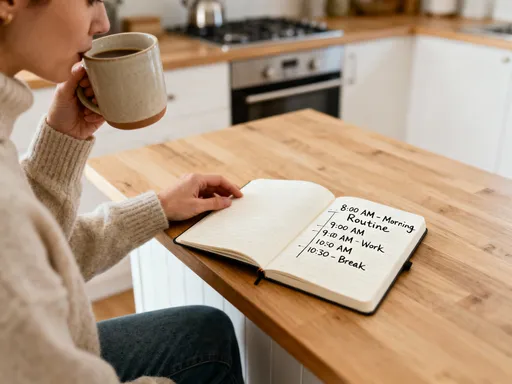
Remember how easy it was to chat with coworkers by the coffee machine? Remote work took that away—but what if technology could bring it back, even better? I felt isolated too, until I tried virtual coworking spaces. One stood out—not just for productivity, but for turning strangers into collaborators. This isn’t about flashy tools. It’s about finding connection, growing your circle, and staying motivated—all while working in your pajamas. If you’ve ever sat at your kitchen table with a laptop, sipping lukewarm coffee and wondering if anyone else is feeling this quiet loneliness, this story is for you. You’re not broken. You’re not behind. You’re just missing the hum of shared space—the little moments that spark big things. And yes, there’s a way to get them back.
The Loneliness Gap in Remote Work
When I first started working from home, it felt like freedom. No commute. No stiff office clothes. I could pause to stir the soup or wave at my daughter through the window during her bike ride. But after a few months, that freedom started to feel a little too quiet. The house was peaceful, yes—but the silence began to echo. I missed the random chats by the printer. I missed hearing laughter from the next desk. I missed someone asking, “You okay?” when I looked stressed. What I didn’t realize at the time was that those small moments weren’t just nice—they were nourishing. They fed my confidence, kept me inspired, and quietly expanded my network.
Without those daily interactions, I started to feel invisible. My ideas stayed in my head. My wins went uncelebrated. And when I hit a rough patch—when a client pushed back or a project stalled—I had no one nearby to vent to or brainstorm with. I’d scroll through LinkedIn, seeing others post about new collaborations or speaking gigs, and wonder, “How are they doing this?” It wasn’t jealousy. It was loneliness dressed as FOMO. I began to see that remote work wasn’t just a change in location—it was a shift in ecosystem. And I hadn’t planted myself in a place where I could grow.
I tried everything to fix it. I joined online forums. I attended webinars. I even forced myself into networking events where I’d smile at a grid of tiny faces and say, “Nice to meet you!” before being shuffled into another breakout room. But it felt transactional. Like I was collecting business cards in a digital void. What I craved wasn’t a pitch or a sales call. I wanted something real—a sense of belonging, a community that felt like it had my back. I wanted to feel like I was part of something, not just promoting myself into the void.
Discovering Virtual Coworking: More Than Just a Webcam
Then, a friend mentioned she was trying a “virtual coworking space.” I pictured it like a Zoom meeting with ten people silently typing. Skeptical, I joined my first session. We all turned on our cameras. The host welcomed us, set a 50-minute focus timer, and then—silence. For the first ten minutes, it was awkward. I kept glancing at the screen, wondering if I should say something. But then, someone unmuted and said, “Good morning, everyone! Just finished my first client call—feeling good!” Another person replied, “Yay! Coffee is kicking in for me.” And just like that, the room felt alive.
It wasn’t planned. It wasn’t forced. It was like being in an office where people choose to connect, not because they have to, but because they want to. I realized this wasn’t about performance. It was about presence. Over the next few weeks, I tried different platforms. Some were too strict—no talking, all focus. Others were too chaotic, with constant chatter. But one stood out because it felt balanced. It had structure, but also space for spontaneity. People were working, yes—but they were also human. I heard someone laugh at a dog barking. I saw a mom quickly step away to help with homework. And each time I logged in, I started to recognize faces, names, even work styles.
That consistency began to build something I hadn’t expected: familiarity. I wasn’t just logging into a tool. I was showing up to a community. And that changed everything. I started looking forward to the sessions not just for the productivity boost, but for the soft sense of “I’m not alone.” It reminded me of being a parent at a school pickup—same faces every day, small talk turning into real conversations. That’s when it hit me: connection doesn’t need to be grand. It just needs to be regular.
How One Platform Stood Out: Design That Encourages Accidental Connections
Most virtual work tools are built for efficiency—better video, faster chat, cleaner interfaces. But this platform was different. It was built for humanity. Instead of just offering a video grid, it had features that mimicked the organic flow of office life. There were themed focus sessions—like “Deep Work Wednesdays” or “Creative Sprints.” There were optional voice channels labeled “Coffee Break” or “Stuck on a Problem?” You didn’t have to join them, but they were there, like open doors.
The real game-changer? Random breakout rooms during breaks. Instead of staying in the main room, the system would gently shuffle small groups into private spaces for ten minutes. No agenda. No pressure. Just space to talk. That’s where I met Lena, a freelance graphic designer from Berlin. We were both in a coffee break room, complaining about clients who wanted “something modern but also classic.” We laughed. We exchanged tips. A week later, she messaged me about a branding project that needed a writer. I said yes. That project led to two more referrals. All because we were randomly paired during a 10-minute break.
What made this different from other networking? It didn’t feel like networking at all. It felt like life. The platform didn’t push connections—it created the conditions for them to happen naturally. It understood that real relationships aren’t built in pitch meetings. They’re built in the in-between moments: a shared eye roll, a mutual struggle, a genuine “I’ve been there too.” And because there was no pressure to sell or impress, people showed up as themselves. That authenticity made trust grow faster than any LinkedIn message ever could.
From Small Talk to Real Collaboration
At first, my contributions were tiny. A “Good morning!” in the chat. A thumbs-up emoji when someone shared a win. But over time, I started speaking up. I’d say, “Love that playlist!” or “What app are you using for that timer?” And slowly, those small exchanges turned into real conversations. I learned that Sarah, the woman with the pink headphones, was launching an online course. I offered to read her sales page. She gave feedback on my newsletter. We weren’t just coworkers in a digital room—we were becoming collaborators.
The consistency of showing up made the difference. I wasn’t trying to be the most outgoing person. I wasn’t pitching anything. I was just present. And that presence built recognition. People started greeting me by name. They’d say, “How’s that project going?” or “Did you try that recipe you mentioned?” That kind of attention—it’s small, but it’s powerful. It makes you feel seen. And when you feel seen, you show up bigger. I started sharing more. Asking for help. Offering support. And the circle grew.
One day, I mentioned I was struggling to set boundaries with a client. Within minutes, three people had messaged me privately with advice. One shared a contract template. Another told me how she’d handled a similar situation. A third said, “You don’t have to say yes to everyone.” That moment shifted something in me. I realized I wasn’t just building a network—I was building a support system. These weren’t contacts. They were allies. And that made me bolder in my own work. I started saying no to projects that didn’t align. I raised my rates. I pitched new ideas—some of which came directly from conversations in the coworking space.
Practical Tips to Get the Most Out of Virtual Coworking
If you’re curious about trying this, I’ll share what worked for me. First, start small. Don’t commit to five sessions a week. Try one 90-minute session. Observe the vibe. Notice how people interact. See if it feels welcoming. I used to overthink this—what to wear, how to frame my camera, what to say. But the truth is, most people are too focused on their own work to judge you. Just show up.
Use your real name and a clear photo. It sounds simple, but it makes a difference. People remember you. They feel like they know you. I once joined a session with a placeholder name—“User123”—and realized no one engaged with me. When I switched to my real name and a photo of me smiling in my home office, the interactions began. Small change, big impact.
Participate in low-pressure ways at first. Drop a “Good luck on your call!” in the chat. React to someone’s win with a heart or a clap. When you’re ready, unmute and say one thing—even if it’s just, “This focus music is perfect.” I made a personal rule: say one thing per session. It kept me from staying silent out of fear. And over time, that one thing turned into two, then three, then real conversations.
Be consistent. Show up at the same time, if you can. People notice patterns. They start to expect you. That’s how trust builds—not in big moments, but in small, repeated ones. And don’t worry about being the most interesting person in the room. Be the most present. That’s what people remember.
Balancing Focus and Connection
I’ll admit, I was worried at first. Would this be a distraction? Would I spend more time chatting than working? But what I discovered surprised me. The structure of the sessions actually helped me focus better. Knowing I was “on camera” with others created a gentle accountability. I couldn’t easily scroll social media or wander to the fridge. I was in work mode, just like in an office.
And the breaks? They weren’t time wasters—they were resets. A ten-minute voice chat about weekend plans or favorite podcasts gave my brain a soft reset. I’d return to my work refreshed, with new energy. It was like taking a walk around the office block, but without leaving my desk. I started to see the rhythm as a feature, not a bug: 50 minutes of deep focus, 10 minutes of light connection, repeat.
I also learned to use headphones. They helped me tune in when I needed silence and tune out when I wanted to dip into a voice channel. I chose sessions that matched my energy—quiet focus blocks in the morning, collaborative ones in the afternoon. And I gave myself permission to mute and work when I needed to. No one expected me to perform. The beauty of these spaces is that you can be both private and part of a community at the same time.
Over time, I stopped seeing focus and connection as opposites. They became partners. The connection fueled my motivation. The focus gave me results. And the balance made me more sustainable as a remote worker. I wasn’t burning out. I wasn’t fading into the background. I was thriving—quietly, steadily, and with support.
Why This Changed More Than Just My Workday
Six months after joining that first virtual coworking session, I looked back and realized how much had shifted. I hadn’t just grown my network. I had grown my confidence, my opportunities, and my sense of belonging. I co-hosted a workshop with Lena from Berlin. I referred two clients to Sarah. I got invited to speak on a panel because someone remembered my comment in a voice chat. These weren’t random wins. They were the natural result of showing up, being seen, and building real relationships.
But beyond the professional gains, something deeper changed. I felt less alone. I had people who knew my work, my struggles, my voice. I had accountability partners who checked in when I disappeared. I had friends—real ones—who celebrated my wins and supported me through setbacks. And the best part? It didn’t require a big leap. It started with clicking “join” on a quiet Tuesday morning.
If you’re feeling isolated in your remote work, I want you to know this: it’s not you. It’s the environment. And you have the power to change it. You don’t need a flashy app or a perfect routine. You just need a space where you can be seen, heard, and valued—not for what you can sell, but for who you are. Technology doesn’t have to isolate us. It can bring us closer. It can rebuild the human side of work. And sometimes, the smallest connection can lead to the biggest change. So go ahead. Try one session. Say hello. You might just find your people waiting there, ready to grow with you.