Tired of Weekend Planning Paralysis? This Simple Tool Cleared My Schedule in Minutes
You know that familiar Sunday dread—staring at a blank calendar, overwhelmed by all the things you should do, yet paralyzed by where to start? I’ve been there too. Between family time, chores, and personal goals, my weekends felt chaotic. I’d wake up on Saturday with good intentions, only to end up folding laundry for the third time, forgetting to pick up my daughter’s birthday gift, and feeling guilty for not calling my mom. By Sunday night, I was exhausted, frustrated, and strangely unproductive. But one small tech tweak transformed my Saturdays and Sundays from stressful to smooth. Let me show you how a simple workflow shift gave me back time, clarity, and peace—without adding more apps or complexity.
The Weekend That Broke Me
It was one of those weekends that starts with energy but collapses under its own weight. I woke up early on Saturday, coffee in hand, determined to make it count. I had a mental list: grocery shopping, my son’s soccer practice, deep-cleaning the bathroom, meal prepping for the week, and finally—finally—reading that novel I’d been meaning to finish for months. I even promised myself I’d squeeze in a 20-minute walk.
But by 10 a.m., my daughter spilled orange juice on the rug. That led to a deep clean, which made me late for the grocery store. The store was crowded, the list was incomplete, and I forgot the gluten-free pasta my husband needed. On the way home, I realized I’d missed the 11 a.m. pickup for my son’s forgotten jersey at his coach’s house. By the time I got home, it was already 2 p.m., and I was too tired to cook. We ended up ordering takeout—again.
That evening, my husband gently asked, ‘Did you call your mom today?’ I hadn’t. I felt a wave of guilt. I wanted to be the kind of person who remembered the small things—who balanced it all with grace. Instead, I felt like I was constantly behind, juggling invisible balls, dropping more than I caught. The worst part? I wasn’t even angry at anyone but myself. I kept thinking, ‘Why can’t I just get it together?’
That Sunday, I sat on the couch with my laptop open, staring at a blank Google Calendar. I tried to plan, but my brain felt foggy. What should I do first? When could I fit in the dentist appointment? Was it too late to schedule a family hike? The options were endless, and that’s exactly what made it impossible. I wasn’t lazy. I wasn’t disorganized. I was just drowning in decisions.
Why “Just Figure It Out” Doesn’t Work
We’ve all been told that weekends are for freedom—that we should just ‘go with the flow’ or ‘figure it out as we go.’ But here’s what no one talks about: freedom without structure often feels like chaos. When every choice is open, the mental load becomes crushing. It’s not just about what to do—it’s when to do it, who depends on it, and whether it even matters in the long run.
Decision fatigue is real, even if we don’t name it. Every small choice—should I start with laundry or dishes? Should I call my sister now or later?—uses up mental energy. By the time we get to the bigger decisions, like planning a family outing or carving out time for ourselves, we’re already drained. It’s like trying to run a marathon after carrying a heavy backpack uphill.
I used to think I needed more time. But what I really needed was fewer decisions. I didn’t need another hour in the day—I needed a way to stop wasting the hours I already had. The truth is, our brains aren’t built to hold everything at once. We weren’t meant to remember every birthday, every appointment, every grocery item. That’s not a personal failure. It’s a design flaw in how we expect ourselves to function.
And here’s the irony: we resist planning because we think it will make life rigid. We fear schedules will steal our spontaneity. But what I’ve learned is the opposite. Without some structure, spontaneity disappears. Because when everything is urgent, nothing feels joyful. When you’re constantly reacting, you can’t be present. You’re too busy trying to remember what’s next.
So I started asking myself a new question: What if planning wasn’t the enemy of freedom—but the path to it? What if a little intention could actually create more space for the things I love?
Discovering a Simpler Way (No Fancy Apps Needed)
The turning point came on a random Tuesday night. I was scrolling through my phone, avoiding the mess in the kitchen, when I stumbled on an old note I’d made months ago. It was just a list: ‘Saturday—groceries, soccer, clean bathroom, call Mom.’ Simple. Clear. And something about it felt calming.
I realized I’d been using my calendar all wrong. I was treating it like a to-do list, dumping everything into one cluttered space. Meetings, school events, personal goals—all jumbled together. No wonder I felt overwhelmed. I wasn’t seeing a plan. I was seeing noise.
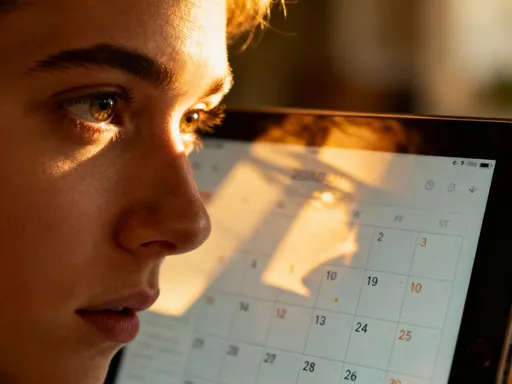
So I tried something small. That Friday, I opened my calendar—the one I already used for work meetings and school pickups—and created a new color-coded section just for weekend intentions. Not tasks. Not deadlines. Just intentions. Things I wanted to make space for. I used a soft green color, nothing harsh. No pressure. Just gentle reminders of what mattered.
The tool wasn’t special. It was just my regular digital calendar, the one built into my phone. I didn’t download anything. I didn’t sign up for a subscription. I just changed how I used it. Instead of letting it collect chaos, I started using it to create clarity. And that small shift made all the difference.
Here’s what changed: I stopped trying to remember everything. I stopped relying on my brain to hold it all. I gave myself permission to let the calendar do the remembering. And in return, I got my focus back. It wasn’t magic. It was just alignment—between my intentions and my time.
How It Works: My 10-Minute Saturday Reset
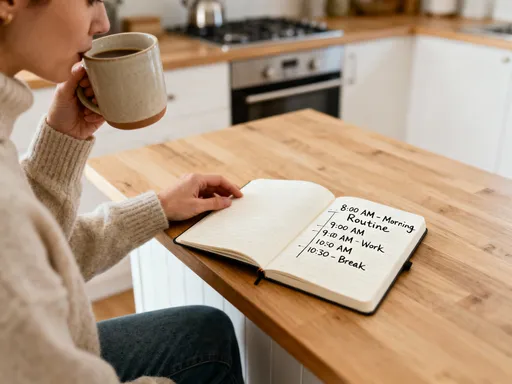
Now, every Saturday morning, before the kids wake up, I make tea and sit with my phone for exactly ten minutes. No more, no less. This is my weekend reset. It’s not a long planning session. It’s not about perfection. It’s about presence.
I start by reviewing the week that just passed. Did I miss anything important? Was there something I’d hoped to do but didn’t? I don’t judge myself. I just notice. Then, I look at my calendar for the weekend. I check for any fixed events—soccer games, family dinners, appointments. Those stay as they are.
Next, I add my intentions. I ask myself: What do I need this weekend? Not what I should do, but what would make me feel balanced? Maybe it’s ‘family game night,’ ‘30 minutes of reading,’ or ‘call my sister.’ I assign each intention to a rough time block—morning, afternoon, or evening. Not a specific hour, just a general window. This helps me see the day as a flow, not a series of rigid slots.
Then, I share it. I’ve invited my husband to view the calendar, and I quickly show the kids during breakfast. ‘Today, we’re going to the park in the afternoon,’ I’ll say, or ‘Mom’s going to bake cookies after lunch—want to help?’ It’s not a command. It’s an invitation. And because they can see it too, there’s less friction. No more ‘I didn’t know we were doing that!’ or ‘You never told me!’
The visual layout helps me stay on track without feeling trapped. If I see ‘quiet time’ blocked in the late morning, I know it’s okay to say no to a last-minute errand. If ‘groceries’ is in the afternoon, I don’t waste mental energy wondering when to go. The plan holds the space so I don’t have to.
And here’s the best part: because it’s flexible, it survives reality. If it rains and we can’t go to the park, I just move ‘family time’ indoors. If I’m too tired to cook, I swap ‘meal prep’ for ‘order takeout and watch a movie.’ The structure isn’t rigid—it’s responsive. It bends so I don’t have to break.
The Ripple Effect on My Family Life
The changes didn’t just happen in my schedule—they rippled into my relationships. I noticed it first with my kids. I was less short-tempered. Less distracted. When my daughter asked me to build a Lego castle with her, I wasn’t mentally calculating how much time we had before the next errand. I could say yes—because I already knew when the next task was scheduled.
My husband noticed too. One evening, he said, ‘You seem… lighter.’ I didn’t realize it at the time, but I was. I wasn’t carrying the invisible weight of forgotten chores or unmet expectations. Everything was out in the open. No more passive-aggressive reminders like ‘Did you remember to pay the water bill?’ Now, it was just a shared item on the calendar, tagged with a soft yellow label: ‘Bills.’
We started having more real conversations. Instead of arguing about who forgot to buy milk, we talked about how we both wanted more downtime. We began protecting our ‘unplanned time’ blocks like they were appointments with ourselves. And something beautiful happened: we started creating memories, not just managing tasks.
One Saturday, we canceled our grocery run because the weather was perfect. We went to the lake instead. I didn’t feel guilty. The calendar didn’t explode. I just moved the errand to Sunday morning, when we had a lighter plan. That spontaneity—once impossible—was now possible because we had a plan.
And the kids? They started asking for ‘Mommy’s quiet time’ to be protected. They’d say, ‘You need your reading time, right?’ and leave me alone for thirty minutes with my book. It wasn’t just about productivity. It was about respect—for my time, my energy, and my needs.
From Overwhelm to Ownership: A New Relationship with Time
The biggest shift wasn’t in my schedule. It was in my mindset. I used to see time as something that happened to me—something I was always running out of. Now, I see it as something I can shape. Not control, but guide. Like tending a garden. You can’t force the flowers to bloom, but you can make sure they have sunlight and water.
I’ve started using my weekends to refill my cup, not drain it. I take long walks without my phone. I sit with a book and actually finish chapters. I’ve reconnected with old hobbies—watercolor painting, journaling, even baking bread from scratch. These aren’t luxuries. They’re necessities. And now, I treat them that way.
I also say no more often. Not out of guilt or fear, but out of clarity. If a weekend is already full of meaningful intentions, I don’t add more just to please someone else. I’ve learned that protecting my time isn’t selfish—it’s sustainable. And when I’m not running on empty, I’m a better mom, a better partner, and a better version of myself.
Time hasn’t expanded. There are still only 48 hours in a weekend. But my relationship with those hours has changed. I no longer feel like I’m losing them. I feel like I’m living them. And that makes all the difference.
Try It Your Way: Making It Stick Without Perfection
If you’re thinking about trying this, I’ll be honest: the first weekend might feel awkward. You might forget to do the reset. You might over-schedule. You might have to throw the whole thing out because life happens. That’s okay. This isn’t about perfection. It’s about progress.
Start small. Pick one weekend. Spend ten minutes on Saturday morning looking at your calendar. Add just three intentions: one for family, one for home, and one for you. Keep them simple. ‘Play board games,’ ‘wipe down kitchen counters,’ ‘drink tea in silence.’ See how it feels.
If you miss a week, don’t quit. If your kids ignore the plan, don’t force it. The goal isn’t control. It’s clarity. It’s about creating a shared rhythm that helps everyone breathe a little easier.
And remember: this isn’t another thing to do. It’s a way to do less—more intentionally. You’re not adding a chore. You’re removing mental clutter. You’re giving yourself the gift of focus, presence, and peace.
So go ahead. Try it this weekend. Open your calendar. Take ten minutes. Breathe. And give yourself permission to plan—not to be perfect, but to be present. Because you deserve weekends that feel like yours, not someone else’s to-do list.