From Sitting Blindly to Moving Mindfully: How a Simple Tool Changed My Daily Rhythm
Living most of my day at a desk, I never realized how much time I spent motionless—until my back started aching and my energy dipped every afternoon. It wasn’t a doctor’s warning but a tiny notification that finally woke me up. This is the story of how a simple sedentary reminder tool quietly transformed my habits, not by forcing change, but by gently guiding me back to my body. No fitness obsession, no drastic rules—just small, sustainable shifts that made a real difference. And if you’ve ever felt glued to your chair, mentally drained by midday, or wondered why your shoulders are always tight, this might be exactly what you need too.
The Invisible Trap: How Stillness Sneaks Into Your Day
I used to think I was doing pretty well. I ate balanced meals, got enough sleep (most nights), and didn’t feel like I had any major health concerns. But then, over a few months, something subtle started happening. Around 3 p.m., my focus would dip. My lower back would throb faintly, like a quiet alarm no one else could hear. My shoulders crept up toward my ears, and I’d catch myself rubbing my neck while staring at the screen. At first, I blamed stress. Maybe it was just aging? But deep down, I knew it wasn’t that simple.
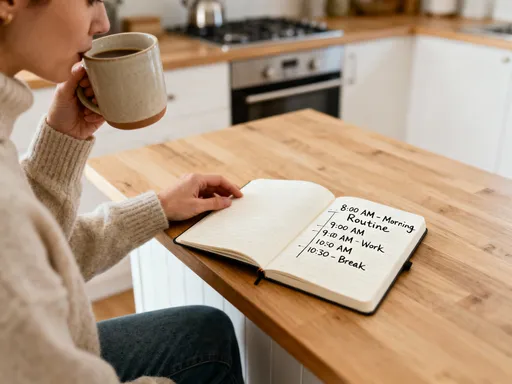
The truth was, I was sitting—really sitting—for hours on end. Working from home meant my desk was just a few steps from the kitchen. I’d start the morning with coffee and emails, respond to messages, jump on calls, and before I knew it, three hours had passed without me standing up once. Lunch? Eaten at the desk. Afternoon? More emails, more spreadsheets, more scrolling. My body had become background noise in my own life.
And I know I’m not alone. So many of us—especially those of us managing households, working remotely, or juggling caregiving with careers—end up in this invisible trap. We don’t sit because we want to; we sit because it’s how life unfolds. The laundry can wait. The kids are occupied. The project deadline is looming. Movement fades into the background because everything else feels more urgent. But here’s the thing: stillness isn’t neutral. It accumulates. And over time, it takes a toll—not just on our bodies, but on our mood, our focus, even our sense of agency.
I didn’t realize how disconnected I’d become from my body until I started paying attention. One day, after a particularly long stretch at the computer, I stood up and felt dizzy. My legs felt stiff, almost foreign. That moment shook me. How had I let this happen? I wasn’t injured. I wasn’t sick. But I wasn’t exactly *well*, either. And that’s when I decided to look for a way out—not with a punishing workout plan or a fancy gym membership, but with something small, something kind, something that could fit into the life I was already living.
Discovering the Nudge: My First Encounter with a Sedentary Reminder
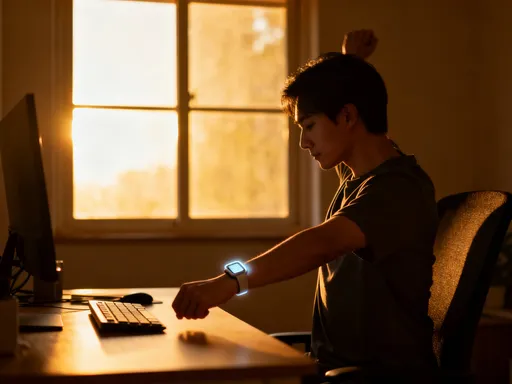
It started with a casual conversation. A friend mentioned she’d been using a feature on her wearable device that gently reminded her to stand up every hour. “It’s not pushy,” she said. “Just a little buzz on the wrist. Like a nudge from your future self.” I’ll admit, I was skeptical. Another notification? In a world already full of pings, dings, and pop-ups, did I really need one more thing demanding my attention?
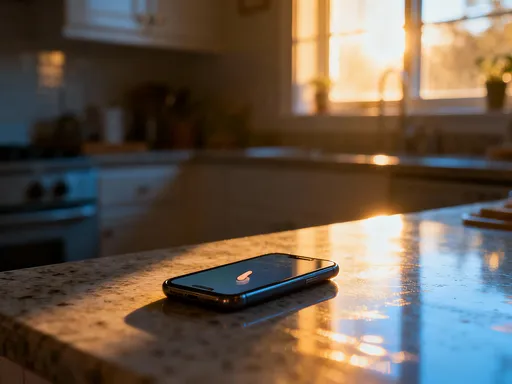
But the more I thought about it, the more curious I became. What if this wasn’t about adding stress, but about restoring awareness? I looked into it and found that many smartwatches and fitness trackers have a sedentary reminder feature—some even let you customize how often it goes off. I didn’t own a wearable, but my phone had a similar option buried in the health settings. I turned it on, set it for every 55 minutes, and waited.
When the first alert came, I almost ignored it. I was in the middle of writing an important email. But something made me pause. I stood up, stretched my arms over my head, walked to the kitchen for a glass of water, and took a few deep breaths. It took less than two minutes. And yet, when I sat back down, I felt… different. Lighter. More present. Not because I’d done anything dramatic, but because I’d *moved*. I’d reconnected, however briefly, with my body.
That small moment cracked something open. For the first time in years, I wasn’t just going through my day—I was noticing it. The reminder wasn’t an interruption. It was an invitation. An invitation to check in, to reset, to remember that I wasn’t just a brain on a chair. I was a whole person, and my body mattered. Of course, there were still moments of resistance. Some days, I silenced the alert without standing. Other times, I forgot to turn it on. But the fact that it was there—quiet, consistent, nonjudgmental—made all the difference.
The First Week: Annoyance, Awareness, and Small Wins
The first few days weren’t easy. I’ll be honest—the buzz felt intrusive. There were times I was deep in thought, working through a problem, and the alert would go off like a tiny alarm clock, pulling me out of my flow. I’d sigh, stand up, do a half-hearted stretch, and sit back down, annoyed. “This is ridiculous,” I muttered more than once. “I don’t need a robot telling me to move.”
But then, something shifted. Around day four, I noticed that my afternoon headache—the one that usually hit like clockwork at 3:30—didn’t show up. I also realized I’d been drinking more water because I kept walking to the kitchen during my movement breaks. And my back? It didn’t ache. Not even a little. These weren’t huge victories, but they were real. And they made me curious. What else might change if I kept going?
I started paying more attention to what I did during those breaks. At first, it was just standing and stretching. Then, I began adding little rituals: a quick walk around the house, stepping outside to feel the sun on my face, doing a few shoulder rolls, or simply taking three slow, deep breaths. I didn’t have to do anything intense. I didn’t have to count reps or track calories. I just had to *move*—gently, kindly, intentionally.
By the end of the first week, something surprising happened: I started looking forward to the alerts. They weren’t interruptions anymore. They were checkpoints. Moments of pause in a day that often felt like a never-ending to-do list. And the more I honored them, the more my body responded. My energy stayed steadier. My focus improved. Even my mood felt lighter. It wasn’t magic. It was just movement—small, consistent, and supported by a simple piece of technology that helped me remember what I already knew: my body wasn’t meant to sit still all day.
Beyond the Buzz: Building a Personal Movement Language
After a few weeks, the sedentary reminder stopped being just a tool and started feeling like a partner in my day. It wasn’t about obeying an alert anymore—it was about listening to a cue and choosing how to respond. That’s when I realized something powerful: this wasn’t just about standing up. It was about building a personal language of movement, one that fit *my* life, *my* rhythm, *my* needs.
I began experimenting. On days when I felt stiff, I’d use the break to do a few gentle neck rolls or touch my toes. On stressful days, I’d step outside and just breathe for a minute, feeling the air fill my lungs. Sometimes, I’d use the alert as a signal to tackle a quick chore—refilling the coffee maker, wiping down the counter, folding a load of laundry. It wasn’t exercise in the traditional sense, but it was *movement with purpose*, and that made all the difference.
What I loved most was how this practice helped me tune in. Instead of rushing through my day on autopilot, I started noticing how my body felt in real time. Was I holding tension in my jaw? Did my hips feel tight? Was I even breathing deeply? The reminder became a mirror, reflecting back my state of being. And the more I listened, the more I could respond with care.
I also started personalizing the timing. I adjusted the interval based on my schedule—sometimes every 45 minutes during intense work blocks, other times every 75 minutes on lighter days. I even turned it off during evenings when I was watching a movie with my family, knowing I was already moving more. The flexibility made it sustainable. This wasn’t about perfection. It was about presence. And for the first time in a long time, I felt like I was showing up for myself—not in a grand, dramatic way, but in small, meaningful moments that added up.
Integrating Into Real Life: Work, Home, and Emotional Cues
Of course, life isn’t always predictable. There were days when the reminder felt out of sync—like when I was on a tight deadline, in the middle of helping my child with homework, or just feeling emotionally drained. On those days, the buzz could feel like just another demand, another thing I “should” do. And that’s okay. I learned it was okay to silence it, to delay it, to say, “Not right now.”
But here’s what surprised me: even on the days I ignored the alert, its presence still mattered. Because when I finally did stand up—whether 20 minutes late or an hour later—I noticed how much better I felt. And that awareness became its own kind of motivation. It wasn’t about guilt or failure. It was about compassion. I wasn’t failing the system; I was learning to work with it in a way that honored my real life.
There were also moments when the reminder became a lifeline. On a particularly tough day, when I was feeling low and overwhelmed, that little buzz pulled me out of my head and back into my body. I stepped outside, took a few breaths, and watched the leaves rustle in the wind. It didn’t fix everything, but it grounded me. It reminded me that even when emotions feel heavy, movement can be an anchor.
And at home, it started to ripple outward. My daughter noticed me standing up and stretching and asked, “Why do you do that?” I explained how sitting too long can make our bodies tired, and now she sometimes reminds me when she sees me glued to the screen. It’s become a quiet way of modeling self-care—not with lectures, but with small, visible actions. The tool didn’t just change my habits; it became part of our family rhythm.
The Ripple Effect: Unexpected Benefits Beyond Physical Health
I went into this looking for relief from back pain and afternoon fatigue. But what I didn’t expect was how deeply this simple practice would affect other parts of my life. The mental clarity was the first surprise. I found that after a movement break, my mind felt clearer, like static had been cleared from a radio signal. Ideas came more easily. Decisions felt less overwhelming. It was as if giving my body a moment to reset also gave my brain a chance to catch up.
Then there was the emotional shift. I’ve always been someone who carries stress in my body—tight shoulders, clenched jaw, shallow breathing. But as I started moving more regularly, I noticed those tensions loosening. I wasn’t just *doing* something for my body; I was *releasing* something from it. The breaks became moments of emotional decompression, little resets that helped me stay more balanced throughout the day.
And perhaps most unexpectedly, it improved my relationships. Stepping away from the screen—even for two minutes—created space to connect. I’d walk through the house and see my partner reading in the living room. I’d check on the kids, ask how their day was going, or just share a smile. Those micro-moments of presence added up. I wasn’t just *with* my family; I was *present* with them. The reminder, in its quiet way, was teaching me how to be more human in a world that often pulls us into productivity and distraction.
It also changed how I saw my home. Instead of being a backdrop for work and chores, it became a space for movement and mindfulness. I noticed the sunlight streaming through the windows, the sound of birds outside, the feel of the floor beneath my feet. These weren’t grand revelations—they were small, ordinary moments of beauty that I’d been too busy to see before.
A Lifelong Companion: Why This Simple Tool Stays With Me
It’s been over a year since I first turned on that sedentary reminder, and it’s still part of my daily rhythm. I don’t use it perfectly. Some days I miss alerts. Others, I turn it off altogether. But its presence has changed something fundamental in me: I’m more aware. I notice when I’ve been still too long. I feel the difference when I move. And I’ve learned that self-care doesn’t have to be complicated or time-consuming. Sometimes, it’s just a matter of standing up, stretching, and breathing.
What I love most is that this tool didn’t demand transformation. It didn’t ask me to become someone I’m not. It simply offered a gentle nudge, a quiet reminder to honor the body I live in. And in doing so, it helped me reclaim a sense of rhythm—a natural ebb and flow between focus and rest, stillness and movement, doing and being.
I used to think technology was the enemy of mindfulness, pulling us deeper into distraction. But this experience has shown me that tech, when used with intention, can actually bring us back to ourselves. It can support the habits we want to build, not because they’re trendy or extreme, but because they help us feel more alive in our everyday lives.
If you’re reading this and thinking, “I don’t have time for this,” I get it. I felt the same way. But what if it’s not about adding more to your day, but about weaving small moments of care into the life you’re already living? What if standing up for two minutes every hour could help you feel more energized, more present, more like *you*?
This simple tool didn’t fix everything. But it started something. It started a conversation—with my body, with my time, with my priorities. And that conversation continues, one gentle buzz at a time. Because sometimes, the most powerful changes don’t come from grand gestures. They come from small, consistent acts of listening, moving, and remembering: I am here. I am alive. And I am worth the care.