From Overwhelmed to Effortless: How Price Comparison Apps Gave Me Back My Time
Shopping used to drain my energy—running between stores, second-guessing prices, and losing hours to decisions that felt trivial but never got easier. I’d stand in aisles, phone in hand, searching the same item on three different apps, tired and frustrated. But everything shifted when I stopped seeing price comparison tools as just money-savers. They became my secret weapon for reclaiming time, reducing stress, and making smarter choices—without the burnout. This isn’t about squeezing pennies; it’s about gaining moments back for what truly matters. And if you’ve ever felt like your to-do list is running your life, this might be the small change that makes the biggest difference.
The Hidden Cost of Everyday Shopping
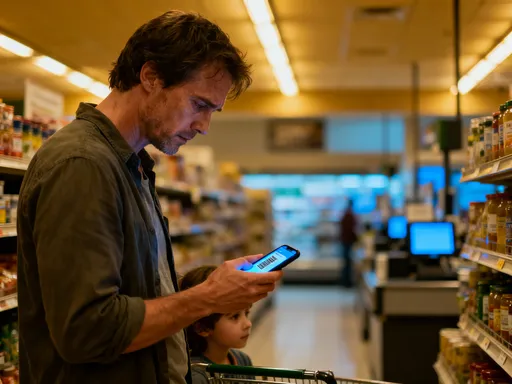
Picture this: it’s 6:15 PM, you’ve just picked up the kids from after-school care, your shoulders are tight from a long day at work—or from being on your feet all day at home—and now you’re standing in the middle of a grocery store, staring at two brands of laundry detergent. One is on sale, but is it really cheaper per load? You pull out your phone, start searching, and suddenly realize you’ve been in this aisle for ten minutes. Your child is asking for a snack, your list is getting longer, and you’re not even halfway through the store.
This wasn’t just a bad day. This was my life for years. I didn’t realize how much emotional energy routine shopping was stealing from me until I started tracking it. Not the money—though that added up—but the mental space. The constant calculations: Is this a good deal? Did I see this cheaper last week? Should I drive to another store? Each decision, no matter how small, chipped away at my focus, my patience, and my sense of control.
And I know I’m not alone. So many women I talk to—mothers, caregivers, partners, professionals—describe the same cycle. We wear the weight of these everyday tasks like an invisible backpack. It’s not just about buying groceries or household supplies. It’s about being the one who remembers, who compares, who decides, who carries the mental load. Over time, those tiny moments of hesitation and uncertainty build into something heavier: stress, resentment, and exhaustion.
What I’ve learned is that the real cost of shopping isn’t measured in dollars. It’s measured in lost time with your kids, in skipped workouts, in the book you never start because you’re too drained to read. It’s in the peace of mind you give up every time you wonder, Did I make the right choice? That’s why finding a better way didn’t just feel helpful—it felt necessary.
Discovering the Shift: More Than Just Lower Prices
My turning point came on a rainy Tuesday. I was supposed to make dinner, help with homework, and get the laundry going, but I’d forgotten dish soap. I didn’t have time to go back out, but I couldn’t skip it. So I stood in my kitchen, soaked from running to the car, and opened a price comparison app I’d downloaded months ago and never used. I scanned the empty bottle, and within seconds, the app showed me three nearby stores with the same brand on sale—two of them cheaper, one just ten minutes from my son’s soccer practice.
That moment didn’t save me a fortune—maybe two dollars. But it saved me something far more valuable: the stress of not knowing. For the first time, I didn’t have to guess. I didn’t have to drive around or wait until tomorrow. I had the information I needed, right when I needed it. And that small win sparked something bigger. I realized I wasn’t just saving money—I was reclaiming my time, my confidence, and my energy.
That’s when I stopped thinking of these apps as just discount finders and started seeing them as life organizers. They didn’t add more to my plate—they simplified it. Instead of juggling mental lists of prices and sales cycles, I could trust the tool to do that for me. It was like having a calm, patient friend whispering, You’ve got this. Here’s what you need.
And the best part? It didn’t require a lifestyle overhaul. I didn’t have to become a coupon expert or spend hours planning. I just started using the app before my regular shopping trips. Over time, those small decisions added up—not just in savings, but in peace of mind. I stopped feeling guilty about spending. I stopped second-guessing myself. And that shift? That’s what made the real difference.
How Price Comparison Apps Streamline Your Day
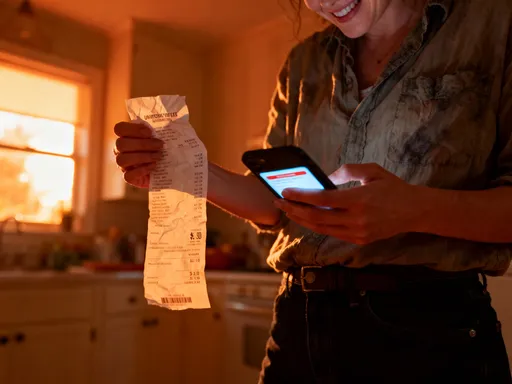
Let me walk you through how this actually works in real life—no tech jargon, no complicated setup. Imagine it’s Sunday morning. You’ve got your coffee, your kids are playing quietly, and you’re about to head out for your weekly grocery run. Instead of rushing out with a scribbled list, you spend five minutes with your price comparison app. You add your usual items—milk, bread, pasta, toilet paper—and the app instantly shows you where each one is cheapest, based on your location.
Some apps even let you set your preferred stores, so you’re not tempted to drive across town for a fifty-cent savings. Others highlight digital coupons you can clip with one tap, so you don’t have to print anything or remember to bring a loyalty card. And when you’re in the store, you can scan items as you go, checking real-time prices and comparing brands side by side. No more flipping packages to read the fine print. No more guessing which size gives you the best value per ounce.
One of my favorite features? The ability to track price history. Did you know that cereal prices often drop right after school starts? Or that meat is usually cheaper on weekends? The app shows you trends over time, so you learn when to buy and when to wait. I used to buy coffee on autopilot every week. Now, I wait until I see it drop below $8, which happens every few weeks. It’s not about waiting forever—it’s about making informed choices without extra effort.
And here’s the thing: this isn’t just for groceries. I use the same app for household supplies, school materials, even seasonal items like holiday decorations. Last December, I found the exact string lights I wanted—on sale, in stock, and at the lowest price in my area—without stepping into a single store. I ordered online, picked them up curbside, and had them on the tree in ten minutes. My daughter said, Mom, you’re like a shopping ninja. I laughed, but she wasn’t wrong. I wasn’t working harder. I was working smarter.
Building Smarter Habits Without Trying
What surprised me most wasn’t the immediate savings—it was how quickly I started making better decisions without even thinking about it. At first, I used the app just to compare prices. But over time, I began noticing patterns. I realized I was paying more for name brands when store brands performed just as well. I started seeing how often I bought something just because it was in my cart, not because I needed it.
The app didn’t judge me. It just showed me the facts. And those facts helped me change my habits naturally. For example, I used to grab snack packs for my kids’ lunches without checking the unit price. Then I scanned one and saw that buying the large bag and portioning it myself saved nearly 40%. Now, I do that for everything from yogurt cups to granola bars. It takes five extra minutes on Sunday night, but it saves me over $20 a month—and I don’t feel deprived. I feel empowered.
Another shift: I stopped impulse buying. There was a time when I’d walk into a store for one thing and leave with five. Now, if something catches my eye, I scan it. If it’s not a true deal—if the price isn’t lower than usual or if I don’t already need it—I walk away. Sometimes I still buy it, but now it’s a choice, not a habit. And that awareness has made me more intentional about everything I bring into my home.
What’s powerful is that these changes didn’t happen because I forced myself. They happened because the app made the right choice the easy choice. I didn’t need willpower. I didn’t need a budget spreadsheet. I just needed a tool that gave me clarity in the moment. And over time, that clarity became confidence. I know what things should cost. I know when to buy. And I trust myself to make good decisions—even when I’m tired, rushed, or distracted.
Strengthening Family Life and Personal Goals
The ripple effects of this small change have been bigger than I ever expected. The time I’ve saved—real, measurable hours each month—has gone back into my life in meaningful ways. I used to come home from shopping drained, snapping at my kids over little things. Now, I come home with energy to spare. We’ve started having more family dinners—actual sit-down meals where we talk, laugh, and connect. No screens. No rushing. Just us.
And it’s not just about time. It’s about harmony. Money used to be a quiet source of tension in my household. I’d worry about overspending. My partner would wonder why we needed another shopping trip. Now, we’re on the same page. I share my savings with him, show him how the app works, and we make decisions together. Last month, we saved enough on groceries to cover a weekend outing—mini golf and ice cream. It wasn’t a huge splurge, but it felt like a victory. We were choosing joy, not stress.
But the biggest surprise? The space it created for me. I used to think self-care meant bubble baths and face masks—nice, but fleeting. Real self-care, I’ve learned, is time. Time to move my body. Time to learn something new. Time to just breathe. Because I’m not wasting hours shopping or stressing over prices, I’ve started taking an online course in photography—a dream I’d put on hold for years. I even joined a local walking group. These aren’t grand gestures. They’re small, consistent investments in myself. And they’re possible because I gave myself the gift of time.
When you stop losing energy to small decisions, you have more to give—to your family, your goals, your well-being. And that, to me, is the true value of these tools. They don’t just help you spend less. They help you live more.
Getting Started Without Overwhelm
If you’re thinking, This sounds great, but I’m already so busy—how do I even begin? I hear you. That was me, too. The good news is, you don’t have to do it all at once. You don’t need to download five apps or become a tech expert. Start small. Pick one price comparison app—look for one with good reviews, easy scanning, and stores you actually shop at. Some popular ones include Flipp, Honey, and ShopSavvy. Try it for one shopping trip. Just one.
Before you go, open the app and add three items from your list. See where they’re cheapest. Notice how it feels to have that information in your pocket. When you’re in the store, scan one item—just one—and compare prices. That’s it. No pressure. No perfection. The goal isn’t to save $50 on your first try. It’s to build trust in the process.
Worried about privacy? Most of these apps don’t collect personal data unless you opt in. You can use them without creating an account. Concerned about complexity? They’re designed for people like us—busy, practical, and looking for real help. And if one app doesn’t feel right, try another. It’s like finding the perfect pair of shoes: comfort matters most.
Here’s a tip: pair your new habit with something you already do. Check prices while you’re having your morning coffee. Scan items while you’re folding laundry. Make it part of your rhythm, not an extra task. And celebrate the wins—big or small. Found a better deal? Saved ten minutes? That’s progress. That’s power.
A Life That Moves With You, Not Against You
Looking back, I realize I wasn’t just tired of shopping. I was tired of feeling like life was a series of hurdles I had to jump over. I wanted to move through my days with more ease, more joy, more presence. And that’s exactly what’s happened. I’m not doing more. I’m doing less—but with greater intention. The apps didn’t change my life by magic. They changed it by giving me back control—one small decision at a time.
Technology often gets a bad reputation for pulling us away from what matters. But when used wisely, it can do the opposite. It can protect our time, deepen our relationships, and support our growth. It can be the quiet helper that lets us focus on what we love—our families, our dreams, our peace.
Every minute you save is a minute you can give to yourself. To reading that book. To playing with your kids. To starting that course. To simply sitting still and feeling okay. That’s not a luxury. That’s a necessity. And you deserve it.
So if you’re ready to stop running on empty, try this one small step. Download an app. Scan an item. See what happens. You might not notice a difference right away. But over time, you’ll start to feel it—a little more calm, a little more confident, a little more like yourself. Because when you stop wasting energy on the small stuff, you make room for the big things. And that, my friend, is the kind of upgrade that really matters.